


Deck Winterization Checklist for Northern Virginia Homeowners
Northern Virginia winters are moderate compared to northern climates — but the freeze-thaw cycles, ice storms, and sustained wet-cold periods from December through February create real stress on deck structures and surfaces. A 90-minute winterization pass in November addresses the issues that cause the most damage: standing water, clogged drainage gaps, retained leaves, and deferred repairs going into the cold months.
Northern Virginia deck winterization is less intensive than what northern-tier homeowners face — Loudoun and Fairfax County rarely see sustained snow loads, and temperatures seldom drop below 15°F. But the region's freeze-thaw cycling (freezing overnight, thawing by midday, repeatedly through January and February) creates specific stress on fasteners, wood fiber, and drainage systems that makes a pre-winter checklist genuinely valuable.
This checklist works for both composite and wood decks, with material-specific notes where the approach differs.
November Timing
The best time for deck winterization in Northern Virginia is November — after the primary leaf drop is complete (typically by Thanksgiving in most of the region) but before the first hard freeze. This timing allows you to: - Clean the deck after leaves are done falling (so you don't have to clean twice) - Identify and repair any damage before frozen ground makes structural access difficult - Store or cover outdoor furniture before ice storms arrive
December and January winterization is better than none, but working conditions are more challenging and some repair options (staining, caulking, deck cleaning with certain products) require temperatures above 50°F.
Checklist: Cleaning and Drainage
Clear between-board gaps. This is the single most important winterization task. Debris accumulated in board gaps — leaves, seed pods, dirt — blocks the drainage the deck was designed to provide. Blocked gaps trap water, which freezes and expands, stressing fasteners and board edges. Use a thin putty knife, a gap-clearing tool, or a high-pressure nozzle directed into the gaps. On composite decks, clear all gaps to bare substrate.
Sweep and blow the deck surface. Remove all loose leaves and debris. Wet leaves sitting on the deck through the winter leach tannins — staining wood decks and potentially staining composite in the same location all winter.
Clean the deck surface. A late-fall cleaning pass removes the accumulated debris of the summer and fall seasons. See the composite cleaning guide or staining prep guide for material-specific cleaning steps.
Clear debris from under the deck. The ground under a ground-level or low-clearance deck accumulates leaves and debris that trap moisture and create conditions for mold and wood rot in the framing. Rake out what is accessible.
Check and clear deck drain and downspout connections. If the deck has integrated drainage channels or connects to a gutter system, clear any blockages before winter. Ice dams in deck drainage channels cause significant water backup in spring thaw.
Checklist: Structural Inspection
Check all visible fasteners. Walk the deck and press on any boards that feel loose or springy. Inspect visible joist hanger connectors at the ledger for rust or movement. Check post base connectors for corrosion or movement.
Inspect the ledger connection. The ledger — the board connecting the deck to the house — is the most structurally critical element and the most common location for water intrusion and rot. Look for gaps in the flashing above the ledger, any staining or discoloration on the house siding above the ledger, and any softness in the ledger board itself. Any anomaly at the ledger warrants a professional inspection before winter.
Check for soft spots in decking boards. Walk the full deck surface and note any boards that flex excessively or feel soft. On pressure-treated wood, soft spots indicate decay in progress. Decayed boards should be replaced before winter — the freeze-thaw cycle accelerates decay in compromised wood fiber.
Inspect stairs and handrails. Grab the stair handrail and apply lateral force. Any movement indicates a loose post base or loose hardware connection. Ice on stairs is a significant slip hazard — ensure stair treads are secure and nosing boards are fully fastened. Replace any loose or cracked stair treads before winter.
Check caulking and flashing at the house wall. The joint where the deck ledger meets the house exterior should be fully sealed. Gaps allow water to penetrate behind the ledger — the most common source of ledger rot. Re-caulk any gaps with exterior-grade polyurethane caulk (temperature above 50°F required for proper curing).
Checklist: Furniture and Accessories
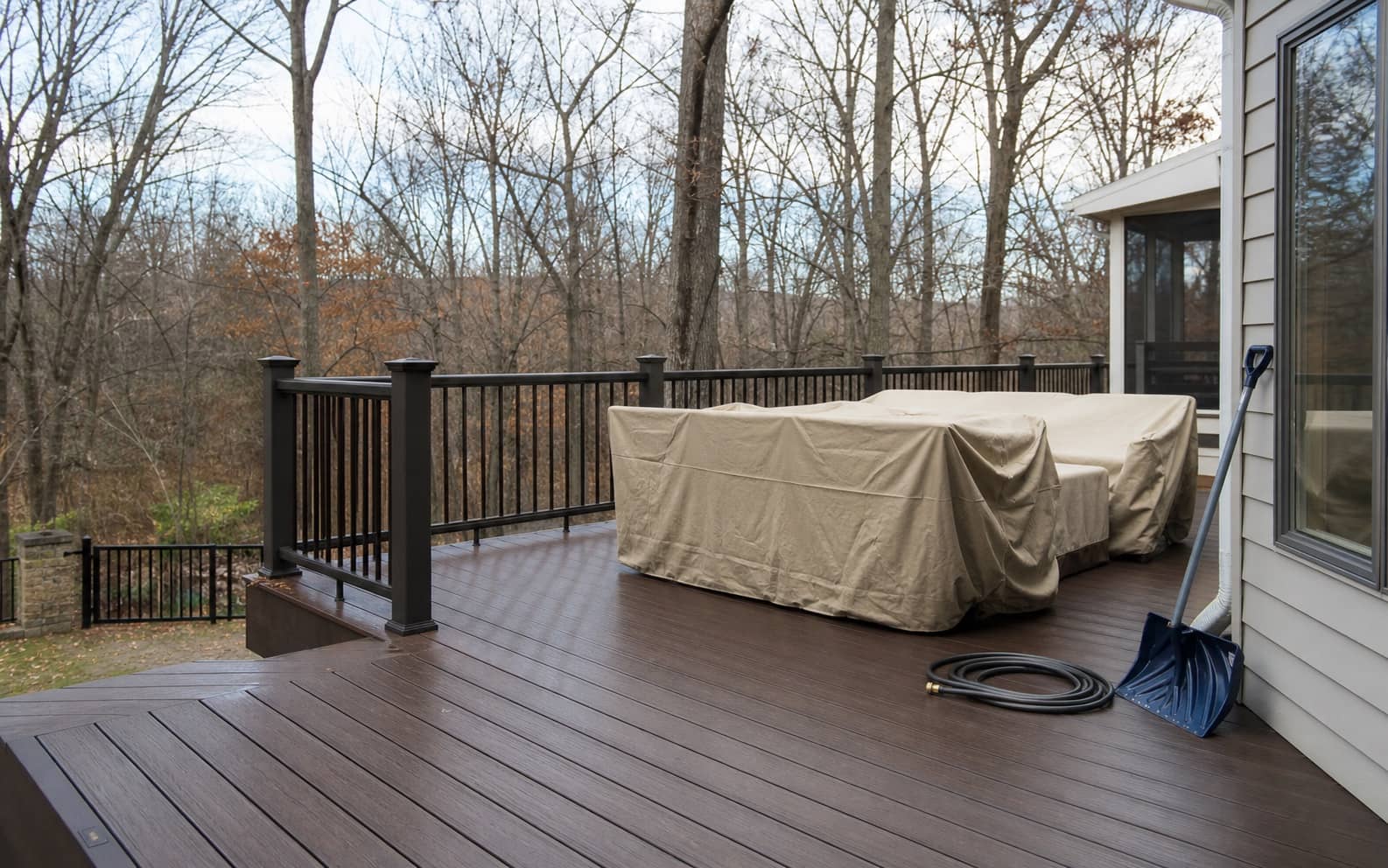
Store or cover furniture. Northern Virginia's ice storms — freezing rain events that leave a quarter-inch of ice on surfaces — are more damaging to outdoor furniture than heavy snow. Aluminum and resin furniture can remain outdoors covered; fabric cushions must be stored dry. Wrought iron furniture should be moved under cover or stored — ice and water trapped in decorative joints accelerates rust.
Store planters or elevate them. Terra cotta planters left on the deck with saturated soil crack when that soil freezes. Either bring them inside or ensure drainage holes are clear so water does not pond and freeze in the pot.
Remove grills and grill covers. Grill covers trap moisture against the grill body in freeze-thaw cycles, accelerating rust on the frame. Either store the grill under a porch roof or use a fitted grill cover with ventilation.
Secure the grill and any unsecured items. Northern Virginia's winter wind events — nor'easters and frontal passage — can move lightweight furniture and accessories. Secure or store anything that could blow off the deck and damage plantings or the deck surface itself.
Checklist: Wood Deck Specific
Assess stain condition. If the deck will need staining in the spring, it is better to know now than when the prime spring staining window arrives. Do the water-bead test: if water does not bead on the deck surface, the stain is failing and the deck should be stained before winter or at the earliest opportunity in spring.
Apply a penetrating sealer if stain cycle is at end of life. If staining now is not possible (temperature too low), a penetrating water repellent applied in the last warm days of fall (above 50°F, no rain forecast) provides a degree of moisture protection through the winter until a full stain application can be done in spring.
Address any rot. Rotted boards do not improve over winter — they get worse. Any board with active rot should be replaced before the cold season. Attempting to repair with epoxy consolidants in cold conditions is ineffective; full replacement is the correct approach.
What Happens If You Skip Winterization
The consequences of skipped winterization in Northern Virginia are typically visible at the spring inspection: - Stained board surfaces from leaves that sat wet through the winter - Frost-heaved post bases on decks with inadequate footing depth - Popped fasteners from freeze-thaw cycling in boards with moisture-saturated cores - Split stair treads at the nosing edge from freeze-thaw in the end grain - Mold bloom at board gaps and on the substructure from debris-blocked drainage
None of these are catastrophic in isolation, but the cumulative effect over several skipped winters produces the kind of structural degradation that makes a deck unsafe and very expensive to repair.
LDN Decks offers fall deck inspection and winterization services across Northern Virginia — Loudoun, Fairfax, and Prince William counties. A professional inspection before winter is also the right time to plan spring repairs or a deck replacement so you are at the front of the spring queue.
Schedule a Fall Deck Inspection
---
Related: How to Clean a Composite Deck · Deck Staining Guide Northern Virginia · How to Power Wash a Deck · Deck Structural Safety Signs · Deck Repair Services
Frequently Asked Questions
Do I need to winterize a composite deck in Northern Virginia?
Composite decking (Trex, TimberTech, AZEK) requires less winterization than wood, but the structural framing and drainage systems still need attention. Clear between-board gaps before winter to maintain drainage, inspect all visible fasteners and the ledger connection, remove or cover furniture, and clear debris from under the deck. Composite boards themselves require no staining, sealing, or special cold-weather treatment.
When should I winterize my deck in Northern Virginia?
November is the ideal window — after the primary leaf drop (typically by Thanksgiving in most of Loudoun and Fairfax counties) but before the first hard freeze. This timing allows leaf cleanup, structural inspection, and any caulking or light repairs that require temperatures above 50°F. December winterization is better than none but limits which repair tasks are feasible.
Should I cover my deck in winter in Northern Virginia?
Covering the deck surface itself is not recommended — tarps trap moisture against the deck surface and between boards, creating the moist conditions that promote mold and wood rot. The deck is designed to drain and dry; blocking drainage with a cover does more harm than good. Cover or store outdoor furniture and cushions, but leave the deck surface open.
Is ice melt safe to use on a composite deck?
Calcium chloride and magnesium chloride ice melts are generally safe for composite decking at the concentrations used for ice control. Rock salt (sodium chloride) can discolor some composite products over repeated use. The biggest risk is tracking ice melt onto the deck from walkways — most ice melt products are safe in light contact but damaging in concentrated accumulations. Always check the manufacturer's guidance for your specific composite product.
What damage does winter cause to decks in Northern Virginia?
Northern Virginia's freeze-thaw cycling is the primary winter stressor — temperatures freeze overnight and thaw by day, repeatedly through January and February. This cycles water in and out of wood fiber and fastener holes, progressively loosening connections and splitting boards at cracks. Ice storms (freezing rain) can cause impact damage from falling branches. Debris-blocked board gaps trap water that freezes and stresses fasteners. Skipping winterization makes these effects cumulative over multiple seasons.
Winterization recommendations reflect Northern Virginia climate conditions as of 2026. Specific maintenance needs vary by deck age, material, exposure, and construction quality. For any structural concern identified during winterization, consult a licensed deck contractor before the issue develops through the winter season.
Plan Your Northern Virginia Deck Project With Loudoun Decks
Get a free, no-pressure consultation from a licensed Northern Virginia deck builder. Call (571) 655-7207 or visit ldndecks.com/get-estimate.
Get a Free EstimateEverything Your Outdoor
Space Needs
From ground-up deck construction to full outdoor living spaces, every project is custom-designed for your home with permit planning, material guidance, and written workmanship terms.
Custom Deck Builder
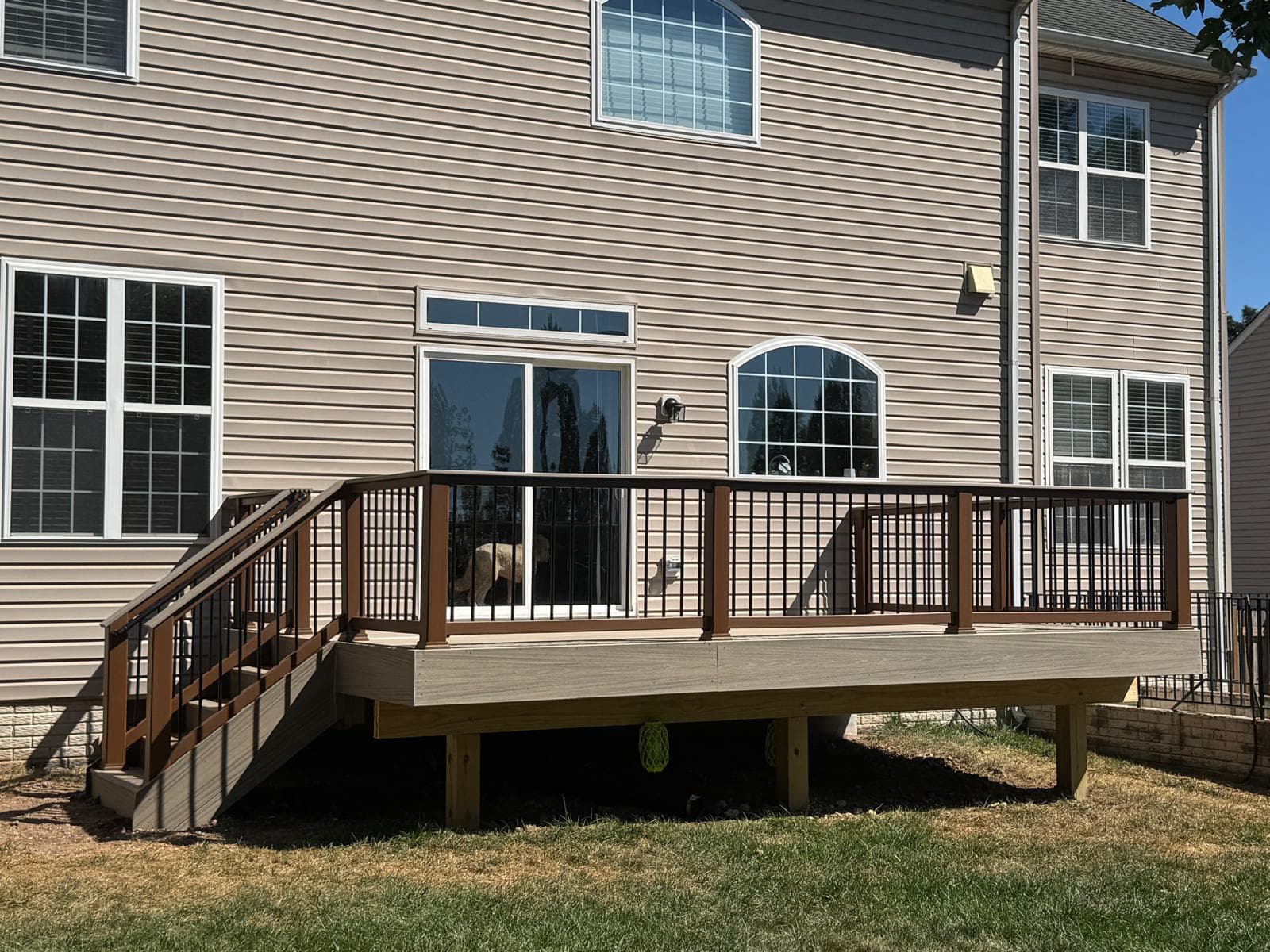
Transform your backyard with a custom-designed deck using Trex, TimberTech, wood, or PVC materials matched to your budget, HOA rules, and maintenance goals.
Deck Resurfacing
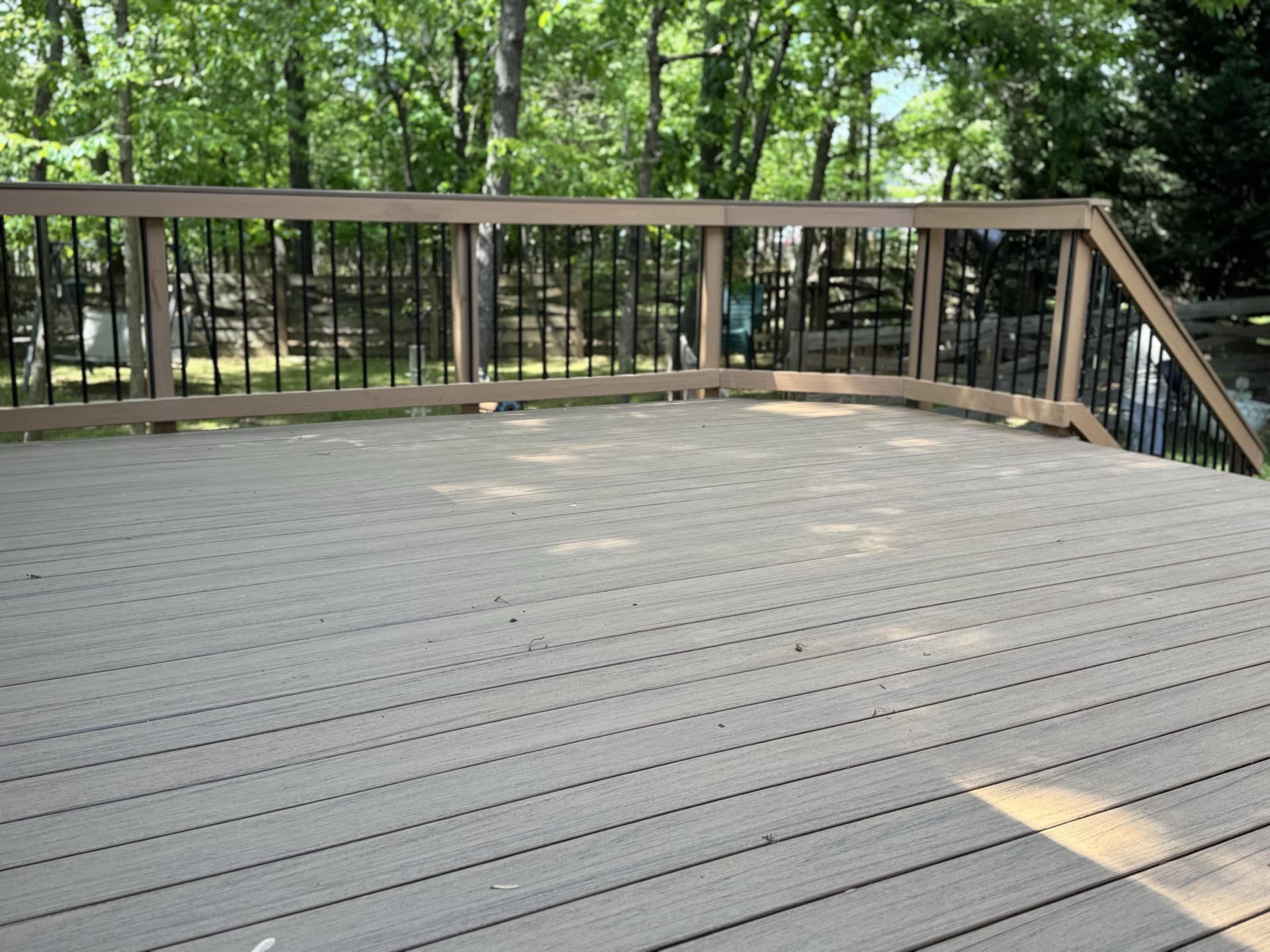
Premium wood-to-composite resurfacing for structurally sound frames. Full surface conversions start from $15k with boards, railings, fascia, and safety review.
Patio Contractor Services
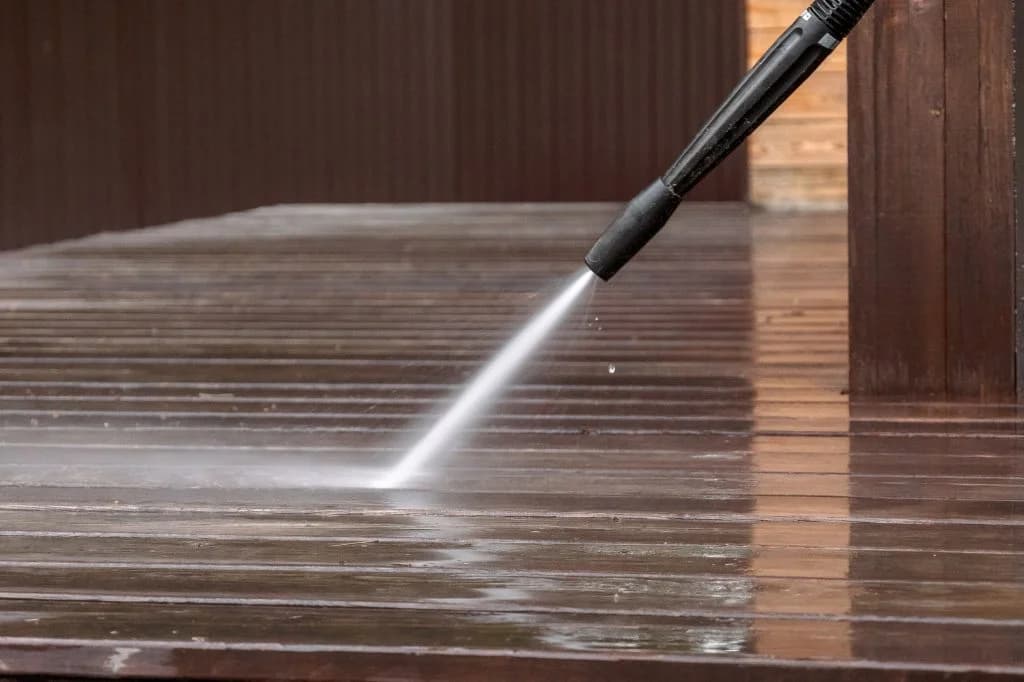
Professional bluestone and paver patio installation. We create durable, beautiful ground-level outdoor living spaces that last a lifetime.
Local Expertise Across Northern Virginia
Loudoun Decks is a trusted deck builder serving Loudoun County, Fairfax County, Prince William County, Arlington, and Stafford.
Guides Northern Virginia Homeowners Are Reading
Deck Permits in Fairfax County
Requirements, timeline, fees, and inspection process.
Deck Builder in Northern Virginia
Custom decks, permits, HOA support and local service areas.
Covered Deck Builder
Covered deck planning, outdoor living upgrades and shade structure decisions.
Trex vs TimberTech vs AZEK
Side-by-side brand comparison for Virginia climate.
Composite Deck Cost in Northern Virginia
Material pricing, verified source references, planning examples and what drives the price.
Free Deck Cost Calculator
Get an instant estimate by material, size, and add-ons.