


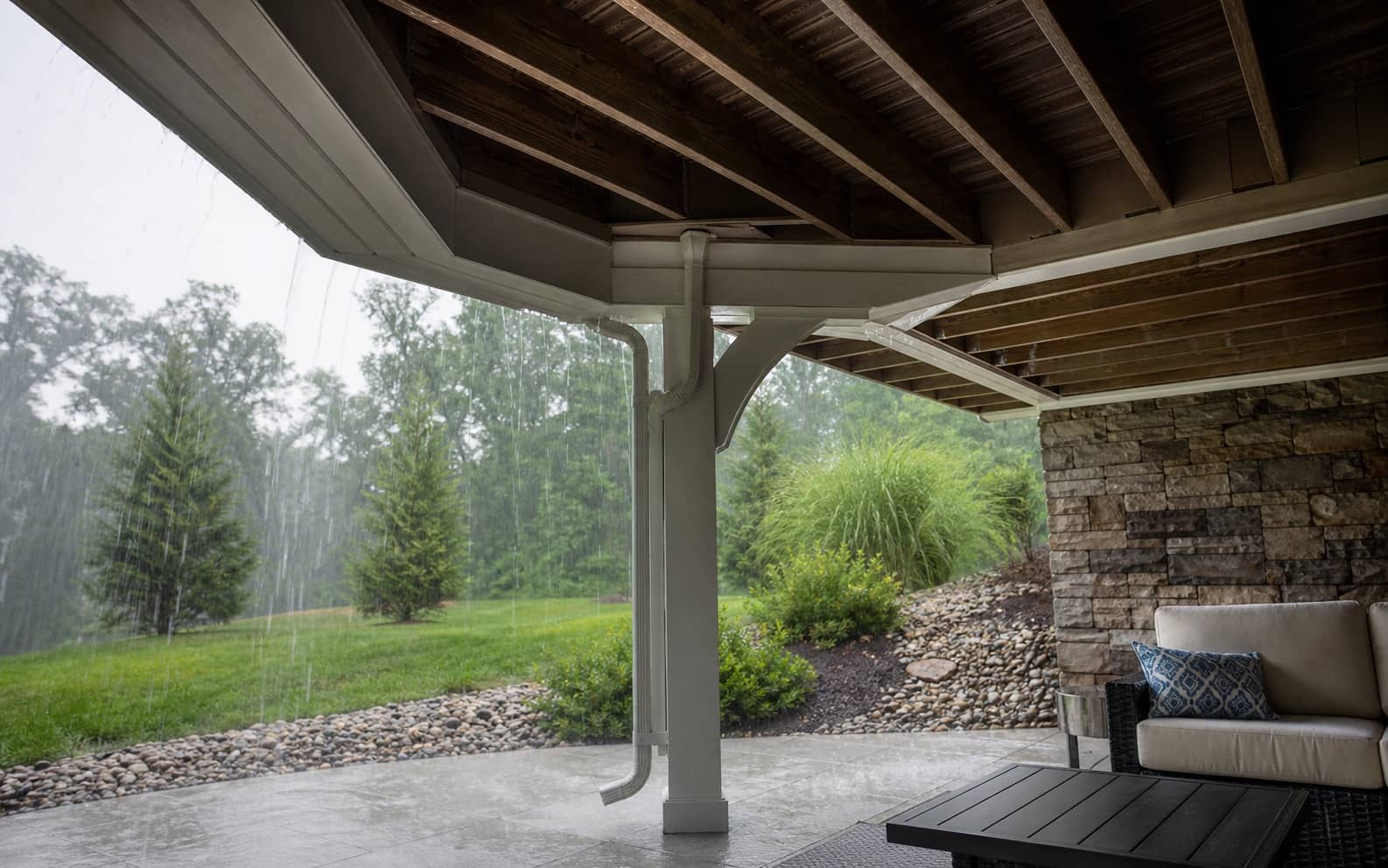
Under-Deck Drainage Systems for Northern Virginia: Create Dry Space Below
Northern Virginia's elevated decks — walkout basement decks on split-level and two-story homes — create a natural outdoor space below the deck surface that is unused in most installations because rain water falls directly through the deck boards. An under-deck drainage system captures this water and redirects it, turning a wet, unusable area into a dry patio, storage space, or additional outdoor living zone.
Northern Virginia's topography generates a large number of elevated deck installations — homes built on grades that step down at the rear, with a main-level deck 8 to 14 feet above the walkout basement level, or on lots with significant rear grade changes. In these installations, the space below the elevated deck is a naturally sheltered outdoor area with one problem: without a drainage system, rain water falls directly through the deck board gaps, making the space wet and unusable during and after rain events.
An under-deck drainage system captures the water that drains through the deck surface and redirects it away from the space below, creating a dry outdoor area that can be used as a covered patio, storage, workshop space, or additional outdoor room.
How Under-Deck Drainage Systems Work
All under-deck drainage systems share the same fundamental approach: a trough or channel system is installed between the deck joists that captures water draining from the deck surface and channels it to a collection point, then routes it away via a downspout.
The two primary system types differ in how they attach and what they look like from below:
Troughed channel systems (between-joist): Individual troughs are installed between each pair of joists, sloped toward a collection channel that runs perpendicular to the joists. Water drains off the deck boards into the troughs, flows to the collection channel, and is directed to a downspout at the deck perimeter. The trough system is visible from below — the ceiling of the under-deck space shows the trough pattern between joists. Products: Trex RainEscape, TimberTech DrySpace, and similar.
Suspended ceiling panel systems: A flat ceiling panel system is suspended below the deck joists, creating a finished ceiling appearance in the under-deck space. Water drains off the deck boards, falls through the joist bays, collects on the ceiling panels (which are sloped), and flows to a perimeter drainage channel. The result is a clean finished ceiling appearance from below. Products: Wahoo Decks, under-deck systems from specialty manufacturers.
Which Northern Virginia Homes Benefit Most
Walkout basement homes: The classic application. A split-level or two-story home where the main-level deck is above the walkout basement patio creates a natural under-deck space with an existing concrete pad. An under-deck drainage system transforms this from a wet, soggy area into a dry outdoor room that is usable throughout Northern Virginia's extended rainy seasons.
Elevated decks on sloped lots: Homes with significant rear grade change — common in Loudoun County's hilly western communities and in wooded areas of Fairfax County — have elevated decks over grade that create a naturally sheltered space. Under-deck drainage activates this space.
Decks over patios: Some Northern Virginia installations include both an elevated deck and a lower-level patio beneath it. Without drainage, the patio is unusable in rain. With drainage, the patio becomes a covered outdoor space.
Installation Timing: New vs. Existing Decks
New deck construction: The ideal time to install an under-deck drainage system is during new deck framing — the troughs or panel supports can be installed before the decking is laid, providing the cleanest integration and lowest labor cost.
Existing decks: Under-deck drainage can be retrofitted to most existing elevated decks. Trough systems are installed from below — no deck deconstruction required. The process involves installing the trough brackets between joists, setting the trough channels, and connecting to the downspout. Retrofitting to an existing deck is more labor-intensive than installation during construction but does not require removing or replacing the deck surface.
Drainage Routing and Downspouts
The drainage system must route collected water away from the house foundation. The downspout from the under-deck drainage system should connect to: - The house's existing downspout and gutter drainage system (most integrated solution) - A drainage pipe routed to daylight at a low point on the lot - A dry well if soil conditions permit and the local jurisdiction allows
Water from an under-deck drainage system should never be routed toward the house foundation or allowed to pool near the structure. In Northern Virginia's clay-heavy soils (common in Loudoun and Fairfax counties), drainage routing that terminates near the foundation can contribute to foundation moisture problems.
Cost of Under-Deck Drainage Systems in Northern Virginia
Trough channel system (new construction): $2,500 to $5,500 for a 300-square-foot under-deck area, installed during deck construction.
Trough channel system (retrofit on existing deck): $4,000 to $9,000 for the same area, reflecting the additional labor for below-deck installation and routing.
Suspended ceiling panel system: $6,000 to $14,000 for a 300-square-foot under-deck area, providing a finished ceiling appearance. Higher cost reflects the more finished product and installation complexity.
Lighting addition: Under-deck drainage ceiling systems can integrate recessed lighting or surface-mount outdoor fixtures. Adding a lighting package to the under-deck space costs $1,500 to $4,000 depending on fixture count and electrical rough-in requirements.
The ROI on an under-deck drainage system is high for homes where the under-deck space is large and accessible — converting 300 square feet of wet, unusable area into a dry covered patio adds meaningful functional space to the home without the permit complexity and cost of an enclosed structure.
HOA Considerations
Under-deck drainage systems are generally not visible from the street or from neighboring properties and typically do not require a separate ARC submission. However, if the under-deck drainage project includes finishing the under-deck space with a paver patio, ceiling lighting, or any visible structural elements, these modifications should be included in the ARC submission for the primary deck project.
LDN Decks installs Trex RainEscape, TimberTech DrySpace, and custom under-deck drainage solutions on new and existing elevated decks across Northern Virginia.
Get an Under-Deck Drainage Estimate
---
Related: Pergola on a Deck Northern Virginia · Screened Porch vs Three-Season Room · Deck Winterization Checklist · Multi-Level Deck Ideas Northern Virginia · New Deck Services
Frequently Asked Questions
What is an under-deck drainage system?
An under-deck drainage system captures water that drains through deck board gaps and channels it away from the space below, creating a dry outdoor area under an elevated deck. Trough systems install between joists and collect water in channels routed to a downspout. Suspended ceiling panel systems create a finished ceiling appearance below the deck while performing the same drainage function. Both types transform wet, unusable space below elevated decks into dry covered outdoor areas.
How much does an under-deck drainage system cost in Northern Virginia?
A trough channel system (Trex RainEscape, TimberTech DrySpace) costs $2,500 to $5,500 for a 300-square-foot under-deck area when installed during new deck construction. Retrofitting to an existing deck costs $4,000 to $9,000 for the same area. A suspended ceiling panel system with a finished appearance costs $6,000 to $14,000 for 300 square feet. Adding under-deck lighting costs $1,500 to $4,000 additional.
Can an under-deck drainage system be added to an existing deck?
Yes. Trough-style under-deck drainage systems can be retrofitted to most existing elevated decks without removing or modifying the deck surface above. Installation happens from below the deck — trough brackets are installed between joists and drainage channels are connected to a downspout at the perimeter. Retrofit installation costs more than new-construction installation due to the additional labor, but does not require deck deconstruction.
Does an under-deck drainage system require a permit in Northern Virginia?
An under-deck drainage system installed on an existing permitted deck typically does not require a separate permit, as it does not change the structural configuration of the deck. If the project includes new electrical work for under-deck lighting, a separate electrical permit is required. If the project is part of a new deck build, the drainage system is included within the deck permit scope. Verify with your specific jurisdiction.
What should under-deck drainage water be routed to?
Under-deck drainage downspouts should connect to the home's existing gutter and downspout drainage system, a dedicated drainage pipe routed to daylight at a low point on the lot, or a properly permitted dry well where soil conditions and local regulations allow. Water should never be routed toward the house foundation or allowed to pond near the structure — Northern Virginia's clay-heavy soils make foundation drainage particularly important.
Cost ranges reflect Northern Virginia market conditions as of 2026. Drainage routing requirements vary by site conditions and local regulations. Always route drainage water away from the house foundation and verify any permit requirements with your county building department before installation.
Plan Your Northern Virginia Deck Project With Loudoun Decks
Get a free, no-pressure consultation from a licensed Northern Virginia deck builder. Call (571) 655-7207 or visit ldndecks.com/get-estimate.
Get a Free EstimateEverything Your Outdoor
Space Needs
From ground-up deck construction to full outdoor living spaces, every project is custom-designed for your home with permit planning, material guidance, and written workmanship terms.
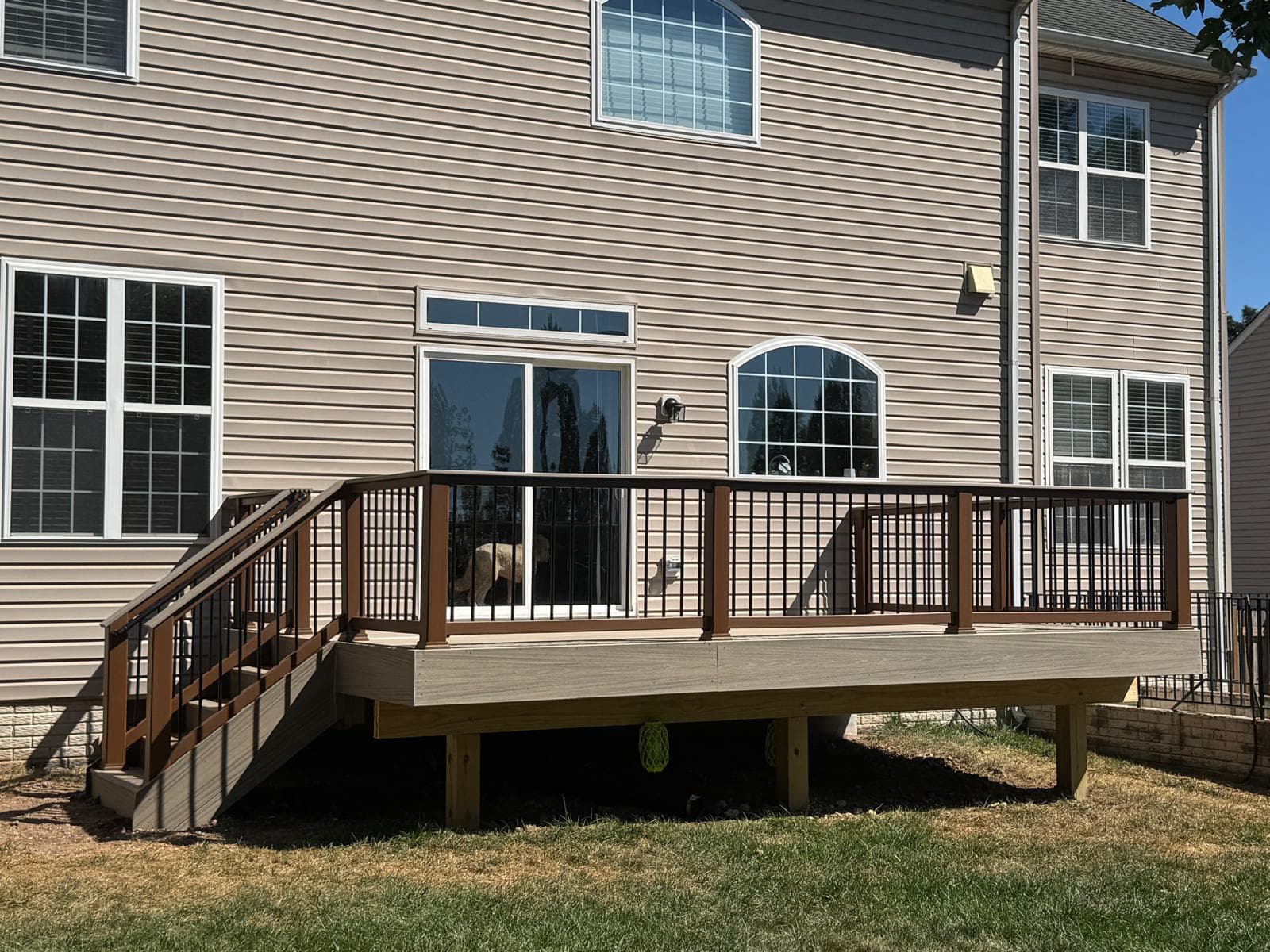
Custom Deck Builder
Transform your backyard with a custom-designed deck using Trex, TimberTech, wood, or PVC materials matched to your budget, HOA rules, and maintenance goals.
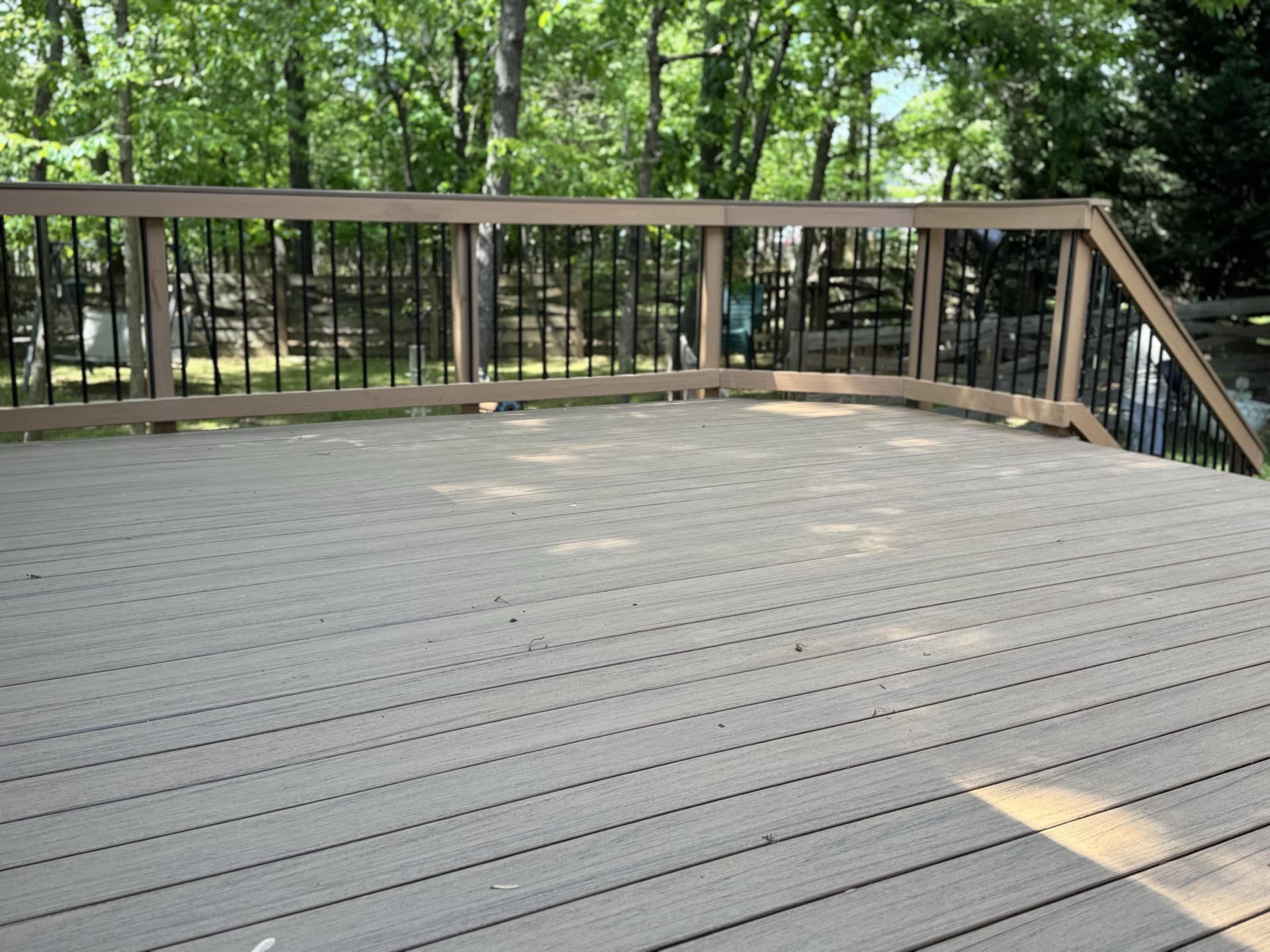
Deck Resurfacing
Premium wood-to-composite resurfacing for structurally sound frames. Full surface conversions start from $15k with boards, railings, fascia, and safety review.
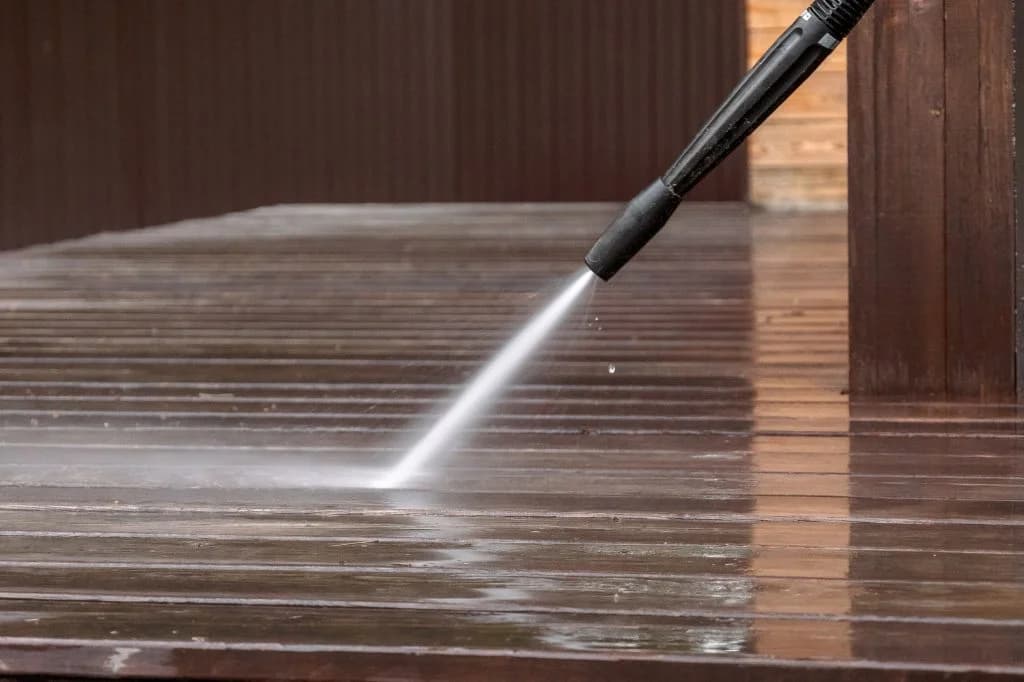
Patio Contractor Services
Professional bluestone and paver patio installation. We create durable, beautiful ground-level outdoor living spaces that last a lifetime.
Local Expertise Across Northern Virginia
Loudoun Decks is a trusted deck builder serving Loudoun County, Fairfax County, Prince William County, Arlington, and Stafford.
Guides Northern Virginia Homeowners Are Reading
Free Deck Cost Calculator
Get an instant estimate by material, size, and add-ons.
TimberTech & AZEK Decks
Premium PVC and composite deck options for Northern Virginia.
Deck Permits in Loudoun County
Permit requirements, review steps and inspection context for Loudoun homeowners.
Deck Permits in Fairfax County
Requirements, timeline, fees, and inspection process.
Deck Builder in Northern Virginia
Custom decks, permits, HOA support and local service areas.
Covered Deck Builder
Covered deck planning, outdoor living upgrades and shade structure decisions.