


Screened Porch vs. Three-Season Room: Which Is Right for Northern Virginia?
A screened porch and a three-season room look similar from the outside but are fundamentally different structures with different costs, permit requirements, usability windows, and HOA treatment. Understanding the distinction helps Northern Virginia homeowners choose the option that actually matches how they want to use the space.
Screened porches and three-season rooms are often conflated in homeowner conversations — but they are meaningfully different structures, and the difference matters for cost, permitting, HOA treatment, and usability in Northern Virginia's climate.
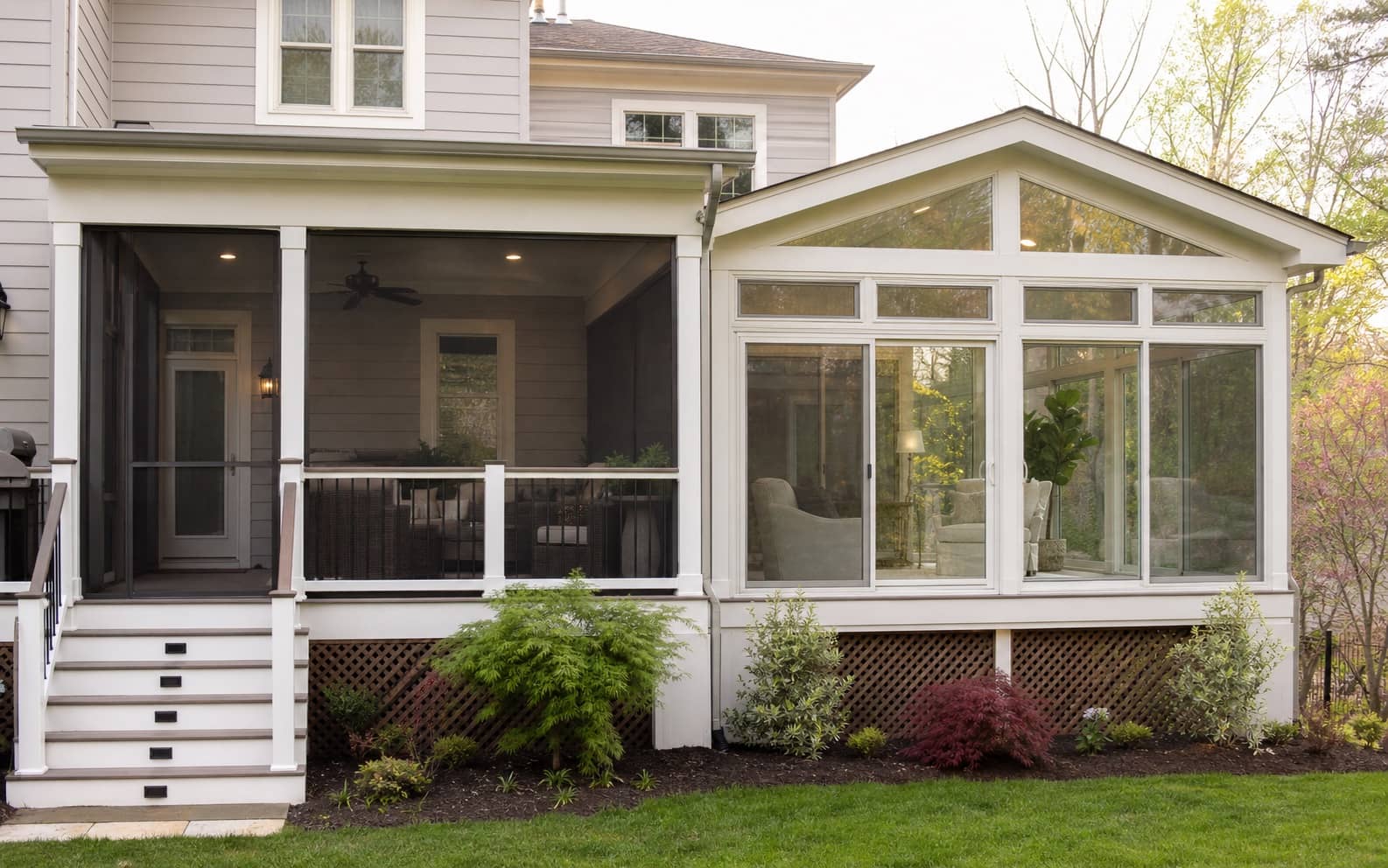
A screened porch uses insect screening as the primary enclosure — the structure is open to outside air through the screen. A three-season room uses glazing (glass or polycarbonate panels, often operable) that can close off the space from the elements while still allowing the space to be opened up in good weather. The glazing is what makes it a three-season room rather than a screened porch — and it is also what changes the permit classification and cost profile.
The Northern Virginia Climate Context
Northern Virginia's climate makes this distinction practically important. The region has:
- Hot, humid summers (June through September) with overnight lows that rarely drop below 70°F from July through early September - Mild springs and falls (March-May, October-November) that represent the best outdoor living conditions of the year - Cold winters (December-February) with average lows in the 25°F to 35°F range and occasional ice storms
A screened porch is usable spring through early fall in Northern Virginia — perhaps 6 to 7 months per year with comfort aids (ceiling fans in summer, outdoor heaters extending the fall season slightly). It is not usable in winter and is only marginally comfortable in July and August without ceiling fans moving air.
A three-season room, with operable glazed panels, can extend the usable season to approximately 9 to 10 months in Northern Virginia — adding October through November (possibly December with supplemental heat) and March through April compared to a screened porch. It does not replace a fully conditioned four-season sunroom, which would require full HVAC integration.
Cost Comparison in Northern Virginia 2026
Screened porch addition to an existing deck (200-300 sq ft): - Framing, roof, and screening: $35,000 to $58,000 - Adding a ceiling fan, recessed lighting package: $2,000 to $4,000 additional - Adding EZE-Breeze or similar vinyl-track season-extension panels: $3,500 to $7,000 additional
Three-season room addition (200-300 sq ft): - Framing, insulated roof, glazed panel system (Eze-Breeze, TEMO, or similar): $55,000 to $90,000 - Optional radiant floor heat or mini-split for shoulder seasons: $4,000 to $12,000 additional
The cost gap between a screened porch and a true three-season room is $20,000 to $35,000 for a comparable footprint in Northern Virginia. The gap is driven by the glazing system (operable glass or polycarbonate panels are significantly more expensive than screening), the more substantial framing required to support the panel system, and typically a more finished interior ceiling treatment.
Permit Classification
Both screened porches and three-season rooms require building permits in Northern Virginia jurisdictions. The critical distinction:
Screened porch: Typically classified as a porch or covered outdoor structure. In many Northern Virginia jurisdictions, a screened porch is not considered enclosed habitable space and may have different setback requirements than a fully enclosed addition.
Three-season room: Because it has operable glazing that can enclose the space, a three-season room is typically classified as an enclosed addition in most Northern Virginia jurisdictions — with the same setback requirements and plan review expectations as any enclosed room addition. Some jurisdictions also require that a three-season room be connected to the home's smoke detection system.
Verify the classification with your specific county or town building department before designing — the setback implications can affect whether the structure fits on your lot.
HOA Treatment
For Northern Virginia HOA communities, screened porches and three-season rooms are almost universally subject to ARC review — they are visible exterior modifications. The key HOA considerations:
Screened porch: Most Northern Virginia HOAs accept screened porch additions in principle. The ARC review focuses on design compatibility (roof pitch matching the house, materials consistent with the home's exterior) and color consistency.
Three-season room: HOAs vary more on three-season rooms, particularly regarding the glazed panel system's appearance. Some HOAs with traditional aesthetic covenants are unfamiliar with modern operable panel systems and may request additional documentation or samples. Submit manufacturer product sheets with the ARC application.
Which Is Right for Northern Virginia?
Choose a screened porch if: The primary goal is insect protection during spring through early fall, the budget is $35,000 to $58,000, or the HOA has traditional design standards where a screened porch will have an easier approval path.
Choose a three-season room if: Extending the usable season into October through November (and possibly March through April) is important, the budget supports the $55,000 to $90,000 range, or the home's use pattern means the added months of usability will be actively used.
Neither replaces a four-season sunroom — if the goal is year-round conditioned space, a full sunroom addition with HVAC is the correct answer, at $90,000 to $160,000+ depending on size and specification.
LDN Decks designs and builds screened porches and three-season room additions across Northern Virginia. We handle the full project including permits, HOA submissions, and construction.
Get a Screened Porch or Three-Season Room Estimate
---
Related: Pergola on a Deck Northern Virginia · Outdoor Kitchen on a Deck · HOA Deck Approval Process · Deck Cost Northern Virginia 2026 · New Deck Services
Frequently Asked Questions
What is the difference between a screened porch and a three-season room?
A screened porch uses insect screening as the primary enclosure — the space is open to outside air through the screen. A three-season room uses operable glazed panels (glass or polycarbonate) that can close off the space from the elements. The glazing extends the usable season and changes the permit classification — three-season rooms are typically classified as enclosed additions in Northern Virginia jurisdictions, while screened porches may be classified as open covered structures.
How much does a screened porch cost in Northern Virginia?
A screened porch addition (200-300 sq ft) to an existing deck in Northern Virginia costs $35,000 to $58,000 for framing, roof, and screening. Adding ceiling fans and recessed lighting adds $2,000 to $4,000. Adding Eze-Breeze or similar vinyl-track season-extension panels adds $3,500 to $7,000. These ranges reflect 2026 Northern Virginia market pricing.
How much does a three-season room cost in Northern Virginia?
A three-season room addition (200-300 sq ft) in Northern Virginia costs $55,000 to $90,000 for framing, insulated roof, and a glazed operable panel system. Adding a mini-split or radiant floor heat for shoulder-season comfort adds $4,000 to $12,000. The cost premium over a screened porch reflects the glazing system, more substantial framing, and finished interior treatment.
Does a screened porch need a permit in Northern Virginia?
Yes. Both screened porches and three-season rooms require building permits in Loudoun, Fairfax, and Prince William counties. A screened porch may be classified differently from a three-season room — screened porches are sometimes treated as covered outdoor structures rather than enclosed additions, which can affect setback requirements. Verify the classification with your specific county or town building department before finalizing the design.
How long can you use a screened porch in Northern Virginia?
A screened porch in Northern Virginia is comfortably usable approximately 6 to 7 months per year — April through October, with ceiling fans extending summer comfort and portable heaters adding some usability in November. July and August are manageable with fans but hot in full sun. A three-season room with operable panels extends this to 9 to 10 months, adding the shoulder seasons on both ends.
Cost ranges reflect Northern Virginia market conditions as of 2026. Permit classification for screened porches and three-season rooms varies by jurisdiction — always verify with your county or town building department. HOA approval requirements vary by community.
Plan Your Northern Virginia Deck Project With Loudoun Decks
Get a free, no-pressure consultation from a licensed Northern Virginia deck builder. Call (571) 655-7207 or visit ldndecks.com/get-estimate.
Get a Free EstimateEverything Your Outdoor
Space Needs
From ground-up deck construction to full outdoor living spaces, every project is custom-designed for your home with permit planning, material guidance, and written workmanship terms.
Custom Deck Builder
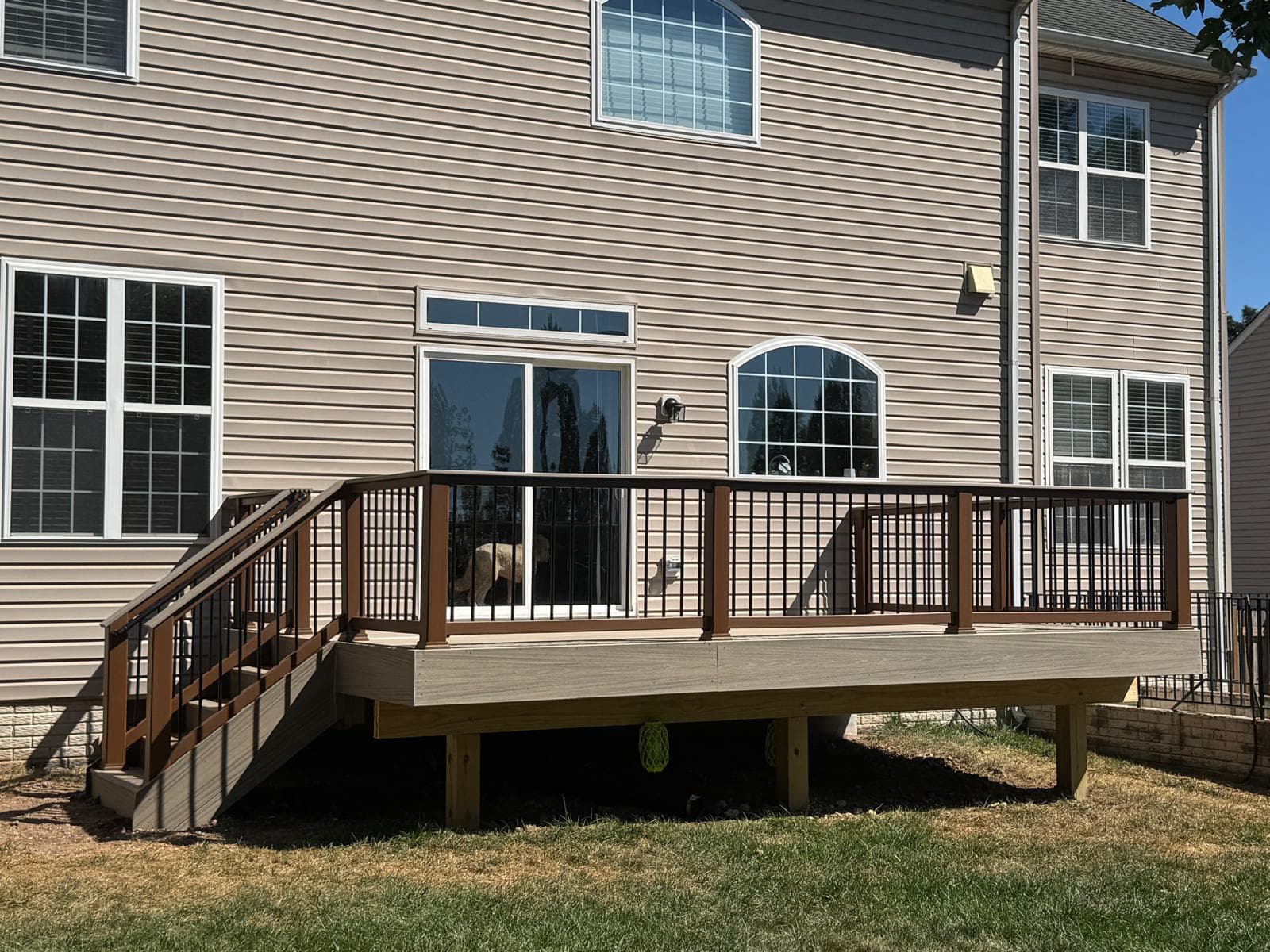
Transform your backyard with a custom-designed deck using Trex, TimberTech, wood, or PVC materials matched to your budget, HOA rules, and maintenance goals.
Deck Resurfacing
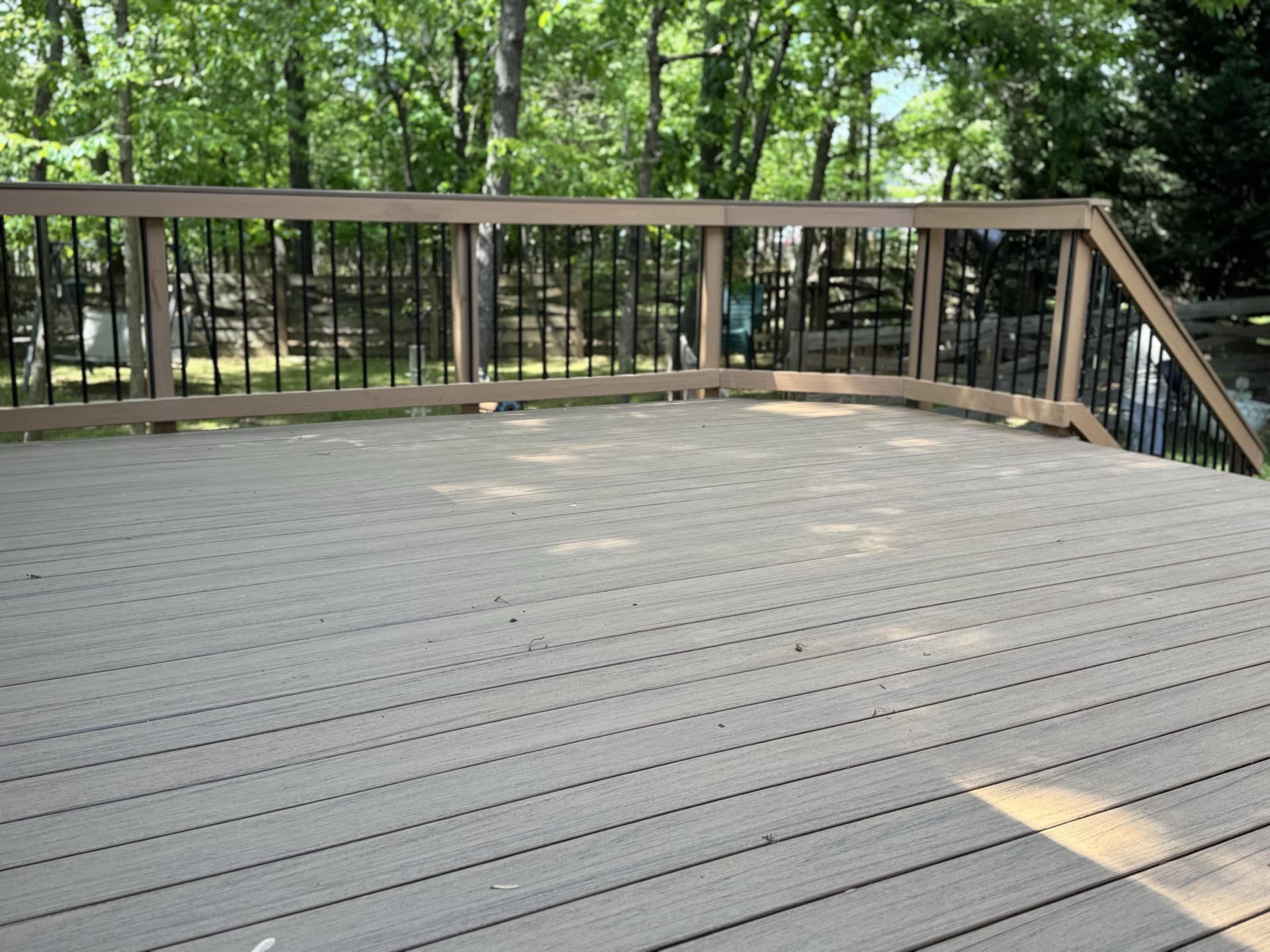
Premium wood-to-composite resurfacing for structurally sound frames. Full surface conversions start from $15k with boards, railings, fascia, and safety review.

Patio Contractor Services
Professional bluestone and paver patio installation. We create durable, beautiful ground-level outdoor living spaces that last a lifetime.
Local Expertise Across Northern Virginia
Loudoun Decks is a trusted deck builder serving Loudoun County, Fairfax County, Prince William County, Arlington, and Stafford.
Guides Northern Virginia Homeowners Are Reading
Trex vs TimberTech vs AZEK
Side-by-side brand comparison for Virginia climate.
Composite Deck Cost in Northern Virginia
Material pricing, verified source references, planning examples and what drives the price.
Free Deck Cost Calculator
Get an instant estimate by material, size, and add-ons.
TimberTech & AZEK Decks
Premium PVC and composite deck options for Northern Virginia.
Deck Permits in Loudoun County
Permit requirements, review steps and inspection context for Loudoun homeowners.
Deck Permits in Fairfax County
Requirements, timeline, fees, and inspection process.