
Covered Deck vs. Open Deck in Northern Virginia: Which Is Right for You?
Northern Virginia summers — hot, humid, with intense afternoon sun from June through September — make the covered-versus-open deck decision more consequential than it might seem. A deck that bakes in direct afternoon sun becomes unusable from 2 to 6 PM for four months of the year. This guide helps you decide which configuration makes sense for your lot, lifestyle, and budget.
Northern Virginia homeowners get more mileage from their outdoor spaces in spring and fall than in the peak of summer — and the reason is usually sun exposure. A south or west-facing deck in Loudoun or Fairfax County in July receives intense direct afternoon sun from early afternoon through sunset. Without shade, surface temperatures on composite or wood decking can reach 120 to 140°F, making the space uncomfortable for adults and hazardous for barefoot children.
This is why the decision between a covered deck and an open deck deserves more thought than most homeowners give it before building. This guide compares the two configurations across the dimensions that matter most for Northern Virginia homeowners.
What Counts as a Covered Deck?
A covered deck has some form of permanent or semi-permanent overhead structure that provides shade. The most common forms in Northern Virginia are:
Pergola: An open lattice or rafter structure — provides partial shade (30 to 60 percent light filtering), allows airflow, and creates an outdoor room feeling without full enclosure. Does not provide rain protection.
Attached pergola with louvered roof: A motorized or fixed louvered roof system allows the homeowner to control shade and rain protection. When louvers are closed, provides near-full rain protection. Premium product category with higher cost.
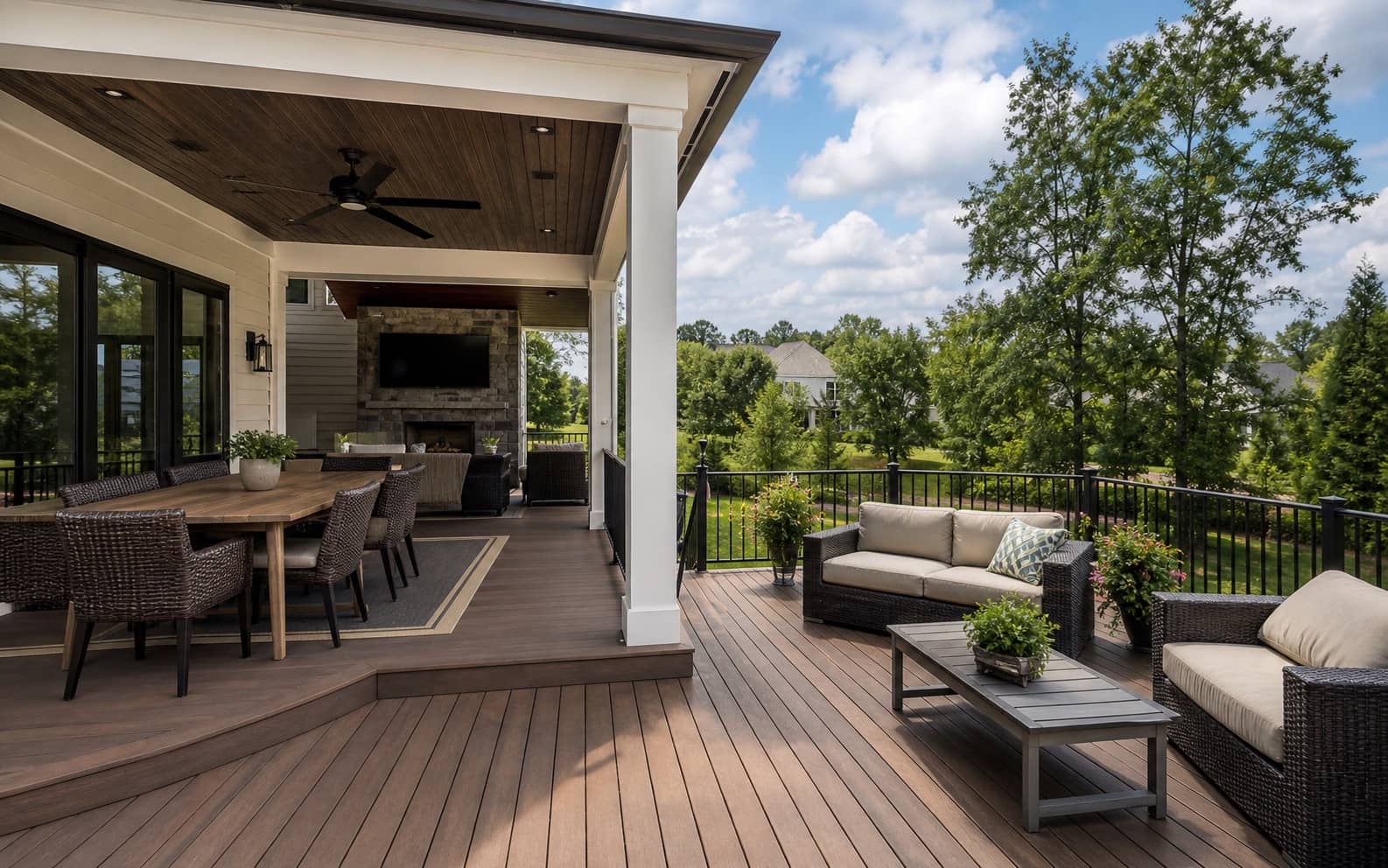
Solid roof structure (covered porch/deck): A fully sheathed roof — shingles, metal, or polycarbonate panels — over the deck provides complete sun and rain protection. This crosses into porch territory from a permitting perspective.
Shade sail or fabric canopy: A removable fabric shade structure. Not permanent construction, typically requires no permit, but provides limited durability and requires seasonal installation and storage.
Open Deck: Advantages and Limitations
Advantages: - Lower upfront cost — no overhead structure to design, permit, or build - Maximum sky view and open feeling - No HOA restriction on overhead height or structure type - Easier permit process (deck only, not deck-plus-structure) - Appropriate for north-facing lots where shade is not a major concern - Appropriate when an adjacent tree canopy provides natural shade
Limitations: - South and west-facing decks receive intense afternoon sun from May through September - Surface temperatures on dark composite or wood boards can reach 120°F+ in direct sun - Outdoor furniture cushions and rugs degrade faster under direct UV exposure - Rain drives guests inside — outdoor entertaining is weather-dependent - Resale value lower than covered equivalent in high-sun exposures
Best for: North-facing decks, lots with mature tree canopy that provides natural afternoon shade, homeowners who use the deck primarily in mornings or early evenings, and budget-constrained projects where the overhead structure can be added later.
Covered Deck (Pergola or Overhead Structure): Advantages and Limitations
Advantages: - Dramatically reduces surface temperature and direct UV exposure in summer - Extends the comfortable use window — decks with overhead shade are usable through afternoon heat - Creates a defined outdoor room that feels more intentional than an open platform - Supports lighting integration (fixtures mount to overhead structure without exposed conduit) - Provides partial or full rain protection depending on structure type - Higher resale value in active Northern Virginia market
Limitations: - Higher upfront cost — a pergola adds $8,000 to $25,000 to a deck project; a louvered roof system adds $15,000 to $35,000 - Requires separate permit from the deck itself in most Northern Virginia jurisdictions - HOA Architectural Review Committee scrutiny is higher for overhead structures — some HOAs restrict pergola height, style, or material - Can feel dark or heavy if improperly sized for the deck footprint - Reduces sky view and open feeling
Best for: South and west-facing decks that receive direct afternoon sun, homeowners who use the deck for summer entertaining and cooking, lots without natural shade from trees, and premium homes where the outdoor space is a significant asset.
Sun Exposure by Lot Orientation
North-facing rear yard: Receives the most consistent, lower-intensity light. Rarely requires overhead shade — an open deck is usually sufficient.
East-facing rear yard: Morning sun, shaded by afternoon. Comfortable for afternoon use without overhead shade in most configurations. Open deck usually adequate.
South-facing rear yard: Direct overhead sun through midday and early afternoon. Afternoon sun can be severe. Overhead shade is highly recommended.
West-facing rear yard: Afternoon and evening direct sun — the most intense sun exposure configuration in Northern Virginia. A deck without overhead shade on a west-facing lot is uncomfortable for most of the peak summer afternoon window. Overhead structure strongly recommended.
Many Northern Virginia subdivisions built since 2000 have tight lot configurations where rear yards face southwest or west — Brambleton, Broadlands, Stone Ridge, and similar planned communities have significant proportions of west-facing rear yards.
Cost Comparison
Open deck (composite, 300 sq ft): $38,000 to $52,000
Same deck with attached open pergola: Add $10,000 to $20,000 → Total $48,000 to $72,000
Same deck with motorized louvered roof system: Add $18,000 to $32,000 → Total $56,000 to $84,000
The pergola addition is the most common choice among LDN Decks clients in Loudoun and Fairfax counties — it provides meaningful shade improvement at a moderate cost premium and clears HOA approval more easily than a solid roof structure.
Can I Add a Pergola Later?
Yes, a pergola can be added to an existing deck as a standalone project. However, the pergola must be structurally supported — either by posts independent of the existing deck railing or by the deck framing if it was designed with future pergola loads in mind. Retrofitting a pergola onto a deck that was not designed to carry the overhead load requires structural reinforcement of the connection points.
If you think you may add a pergola in the future, tell your deck contractor at design time — incorporating the post foundation locations and framing reinforcement during initial construction is significantly less expensive than retrofitting.
LDN Decks designs and builds both open and covered deck configurations across Northern Virginia, and we design for future pergola addition when clients are undecided.
Schedule a Design Consultation — Open or Covered
---
Related: Deck Design Ideas for Small Backyards · Multi-Level Deck Design · Covered Deck Builder Northern Virginia · Deck Lighting Ideas · New Deck Services
Frequently Asked Questions
Should I get a covered or open deck in Northern Virginia?
It depends on your lot's sun exposure. South and west-facing decks receive intense afternoon sun from May through September and are significantly more usable with overhead shade from a pergola or louvered roof. North and east-facing decks are more comfortable without overhead structure. If you are unsure, identify which direction your rear yard faces and assess afternoon sun exposure from late May through September.
How much does a pergola cost to add to a deck in Northern Virginia?
An attached open pergola over a 300 to 400-square-foot deck in Northern Virginia typically adds $10,000 to $20,000 to the project cost. A motorized louvered roof system with rain protection adds $18,000 to $32,000. Pergolas require a separate permit from the deck itself and must be included in HOA ARC applications where applicable.
Does a covered deck require a permit in Northern Virginia?
Yes. Any permanent overhead structure attached to the house — including pergolas — requires a building permit in Loudoun, Fairfax, and Prince William counties. The permit requires structural drawings showing how the overhead structure is supported and connected. A pergola over an existing deck is a new permit, separate from any prior deck permit.
Will my HOA approve a covered deck or pergola?
Most Northern Virginia HOAs permit pergolas as an approved modification, but specific material, color, height, and style requirements apply. Some HOAs have stricter limits on solid roof structures. Submit the pergola design with accurate elevation drawings to the ARC — some communities require that pergola height and style match architectural details of the home.
Can a pergola be added to an existing deck?
Yes, but only if the deck framing can support the added overhead load. A structural assessment is required before designing a pergola retrofit. If the existing deck was designed without pergola loads in mind, the post base connections and possibly the deck framing around the post locations will need reinforcement. Designing for a future pergola at the time of initial deck construction is significantly less expensive than a retrofit.
This guide provides general information to assist with outdoor living design decisions. Actual product availability, permit requirements, HOA approval, and cost will vary. Always consult a licensed contractor and your HOA before finalizing any deck or overhead structure design.
Plan Your Northern Virginia Deck Project With Loudoun Decks
Get a free, no-pressure consultation from a licensed Northern Virginia deck builder. Call (571) 655-7207 or visit ldndecks.com/get-estimate.
Get a Free EstimateEverything Your Outdoor
Space Needs
From ground-up deck construction to full outdoor living spaces, every project is custom-designed for your home with permit planning, material guidance, and written workmanship terms.
Custom Deck Builder
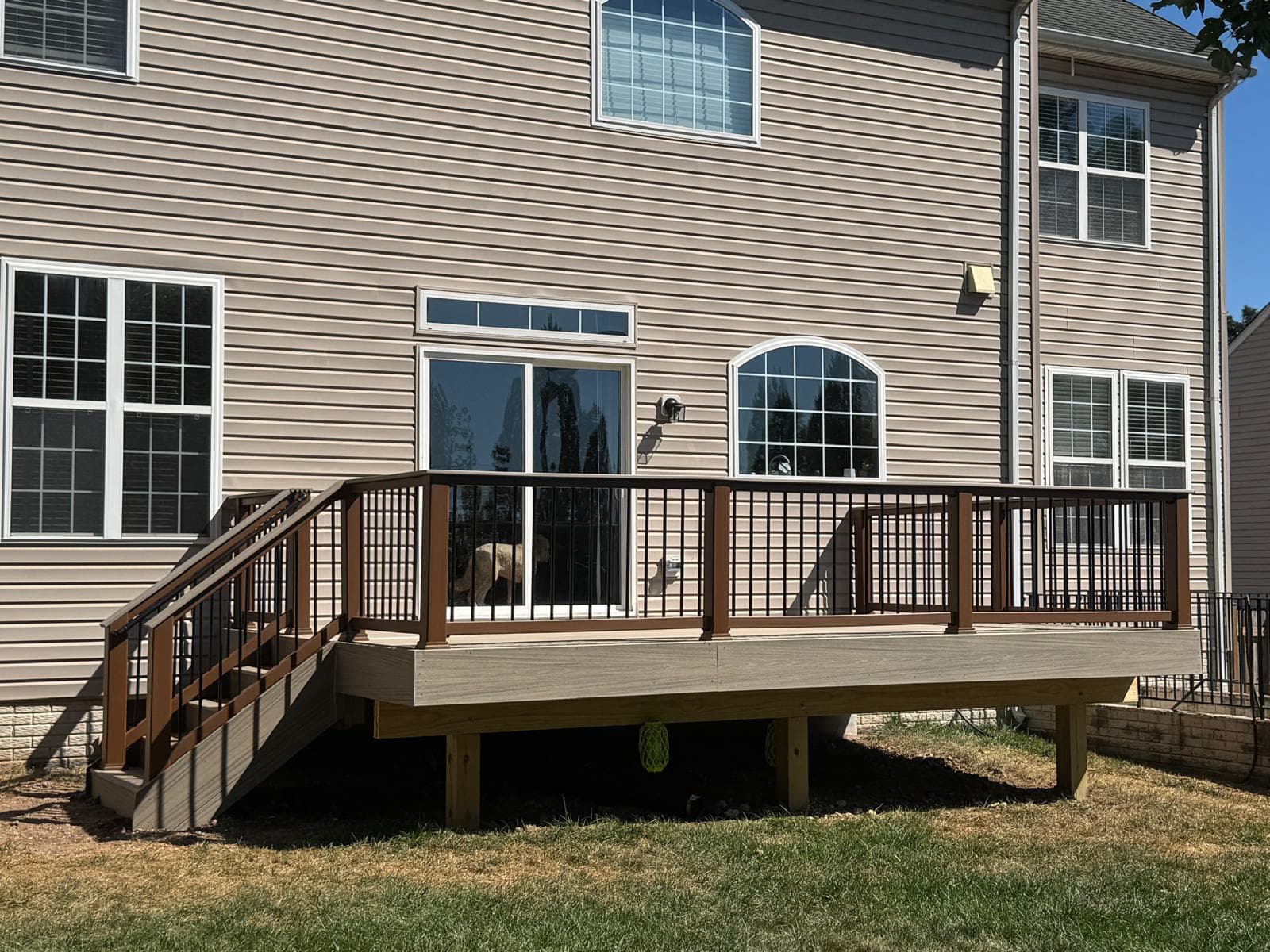
Transform your backyard with a custom-designed deck using Trex, TimberTech, wood, or PVC materials matched to your budget, HOA rules, and maintenance goals.
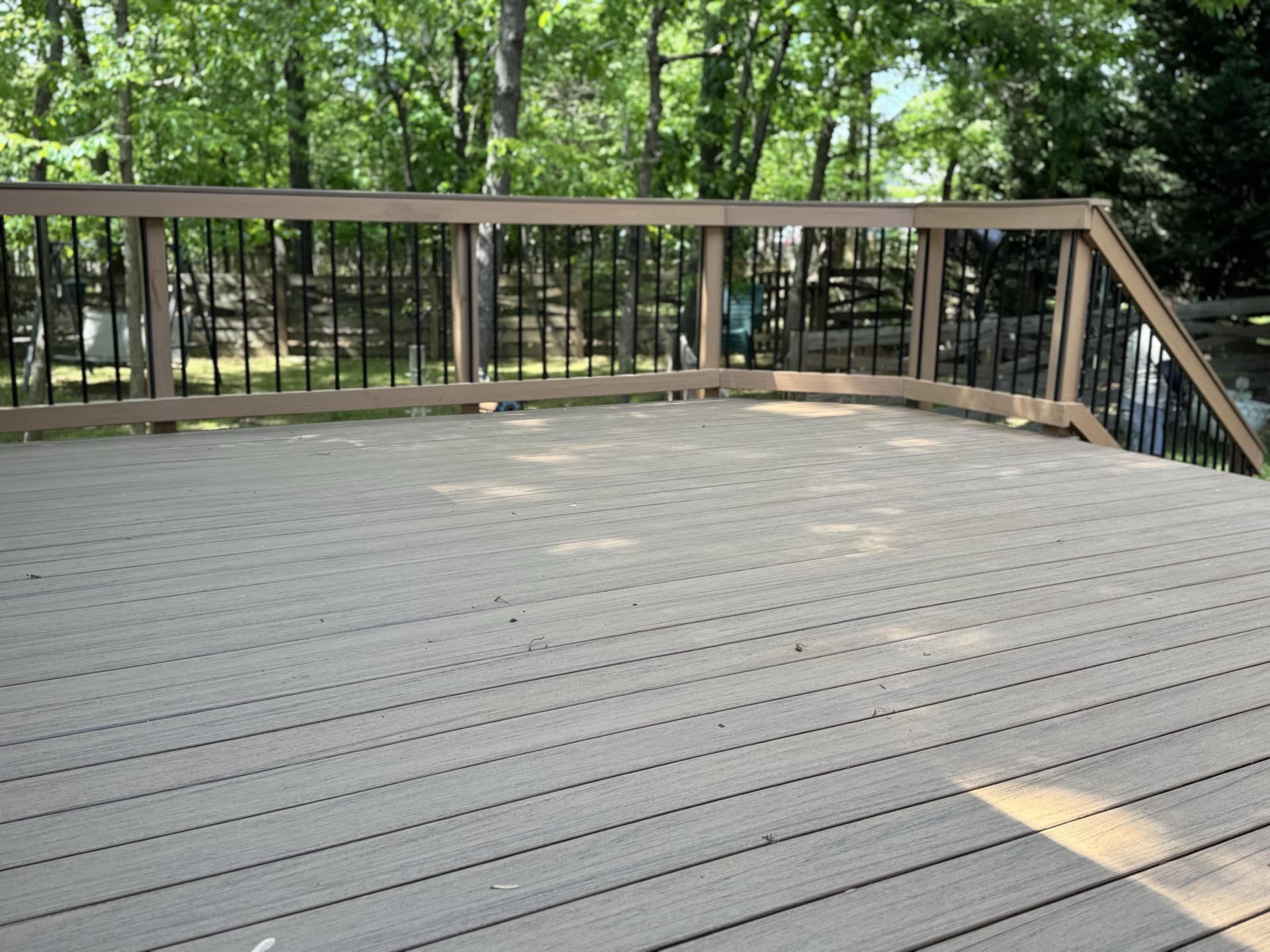
Deck Resurfacing
Premium wood-to-composite resurfacing for structurally sound frames. Full surface conversions start from $15k with boards, railings, fascia, and safety review.
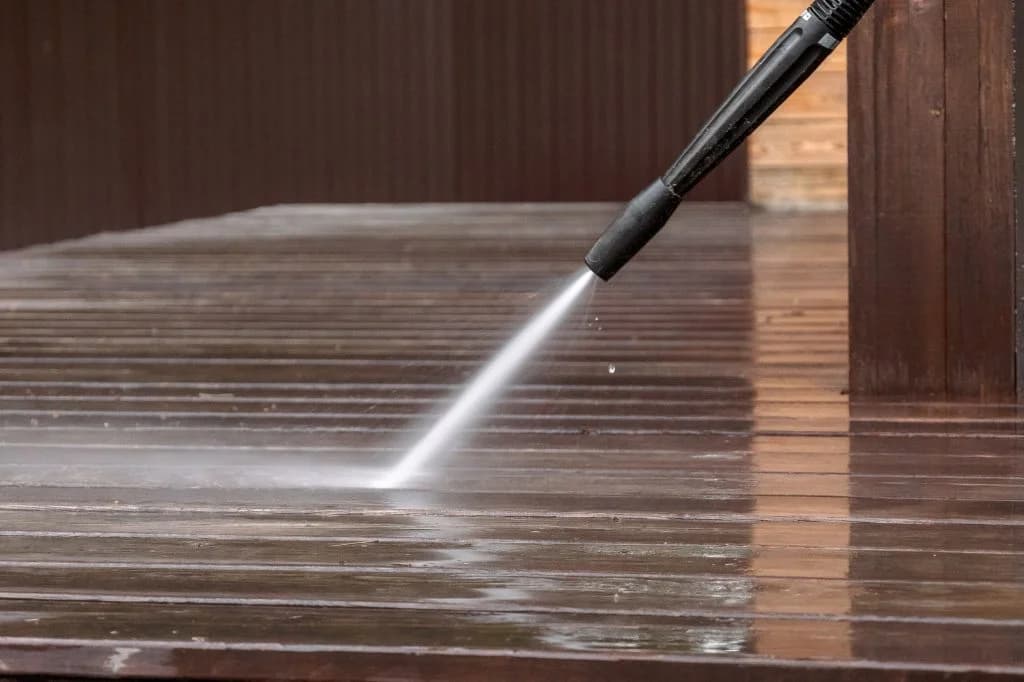
Patio Contractor Services
Professional bluestone and paver patio installation. We create durable, beautiful ground-level outdoor living spaces that last a lifetime.
Local Expertise Across Northern Virginia
Loudoun Decks is a trusted deck builder serving Loudoun County, Fairfax County, Prince William County, Arlington, and Stafford.
Guides Northern Virginia Homeowners Are Reading
Trex vs TimberTech vs AZEK
Side-by-side brand comparison for Virginia climate.
Composite Deck Cost in Northern Virginia
Material pricing, verified source references, planning examples and what drives the price.
Free Deck Cost Calculator
Get an instant estimate by material, size, and add-ons.
TimberTech & AZEK Decks
Premium PVC and composite deck options for Northern Virginia.
Deck Permits in Loudoun County
Permit requirements, review steps and inspection context for Loudoun homeowners.
Deck Permits in Fairfax County
Requirements, timeline, fees, and inspection process.