Deck Replacement or Resurfacing? Know the Difference
By Loudoun Decks•
Considering deck replacement in Northern Virginia? See when a new structure makes sense, which decisions shape scope, and how to plan an estimate well.
A worn deck surface can make the entire backyard feel overdue for attention. But deck replacement is not simply a matter of choosing new boards. For many Northern Virginia homeowners, the bigger question is whether the existing framing, footings, stairs, railings, and layout still support the outdoor space they want to use. The right answer depends on the condition of the structure and the goals for the finished project.
If you are considering composite or PVC decking, a covered section, upgraded railings, lighting, or a more functional entertaining area, a full evaluation before selecting materials can prevent costly scope changes later. A professional estimate should clarify what can remain, what needs to be rebuilt, and what decisions will affect the project from permitting through final inspection.
When Deck Replacement Makes More Sense Than Resurfacing
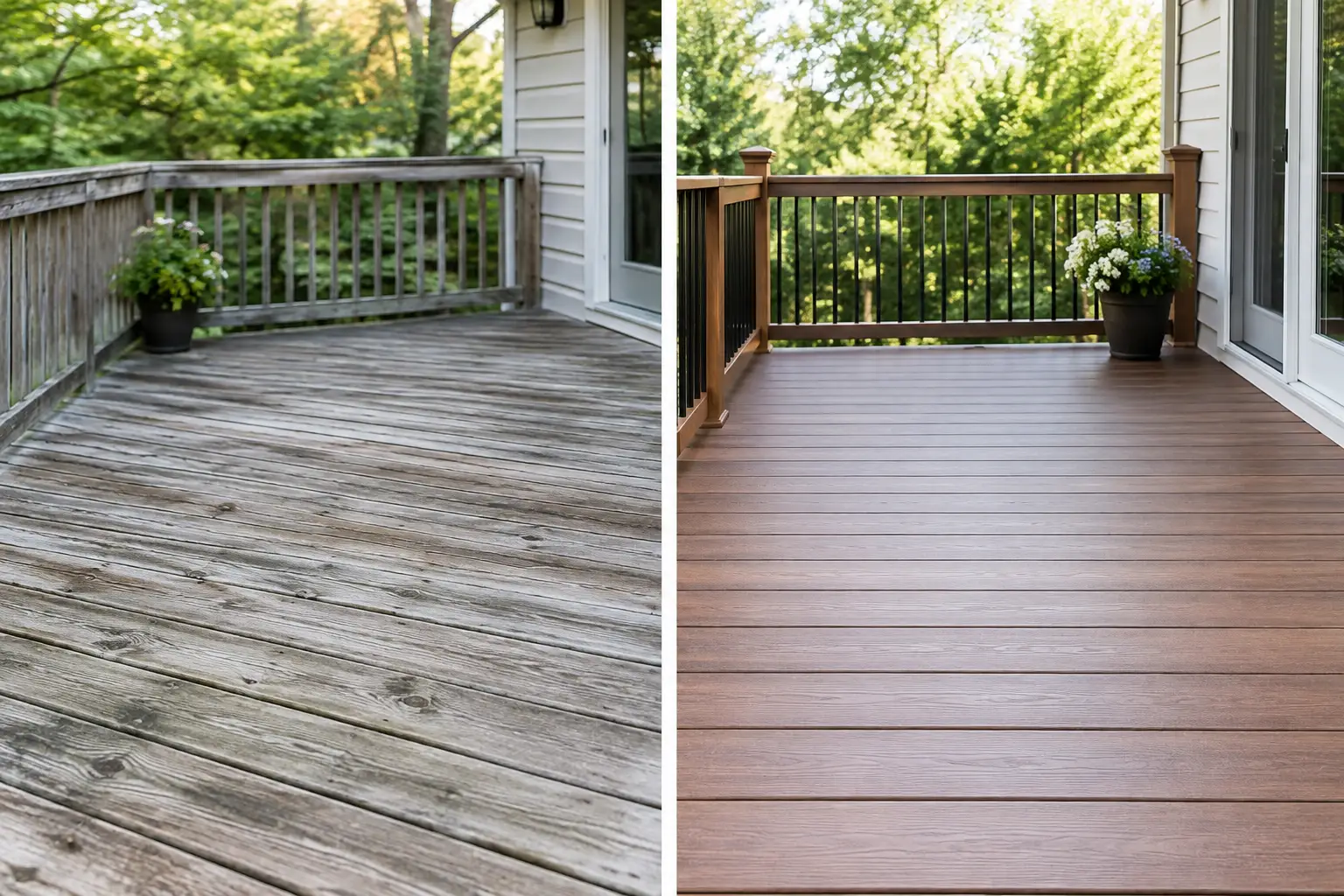
Resurfacing generally means replacing the deck boards and sometimes the railing while leaving the existing framing in place. It can be a reasonable option when the structure is in sound condition, the framing layout works for the selected decking, and the homeowner is satisfied with the deck's footprint, stair location, and overall function.
Replacement is often the better path when the project needs more than a new walking surface. An older deck may have framing that needs evaluation, an outdated layout, undersized stairs, railings that no longer suit the design, or a connection to the home that warrants closer review. Homeowners also choose replacement when they want to expand the deck, create space for dining and seating, add a covered area, or coordinate a larger outdoor-living project.
The distinction matters because new composite or PVC boards do not solve underlying structural concerns. They also have installation requirements that may not align with every older framing layout. A qualified builder should assess the existing deck before promising that a resurfacing approach is appropriate.
Questions to Ask Before Reusing Existing Framing
Start with the practical questions: Is the current deck the right size? Does it connect to the yard in a way that still works for your household? Are the stairs comfortable to use, and do the railings fit the style and visibility you want?
Then consider the condition and compatibility of the structure. Framing, connections, footings, drainage, and the spacing of existing joists can all influence whether resurfacing is realistic. Local requirements may also affect the scope when significant work is planned. The goal is not to assume that an older deck must be removed, but to make the decision based on the actual condition of the structure and the finished result you expect.
What a Full Deck Replacement Can Include
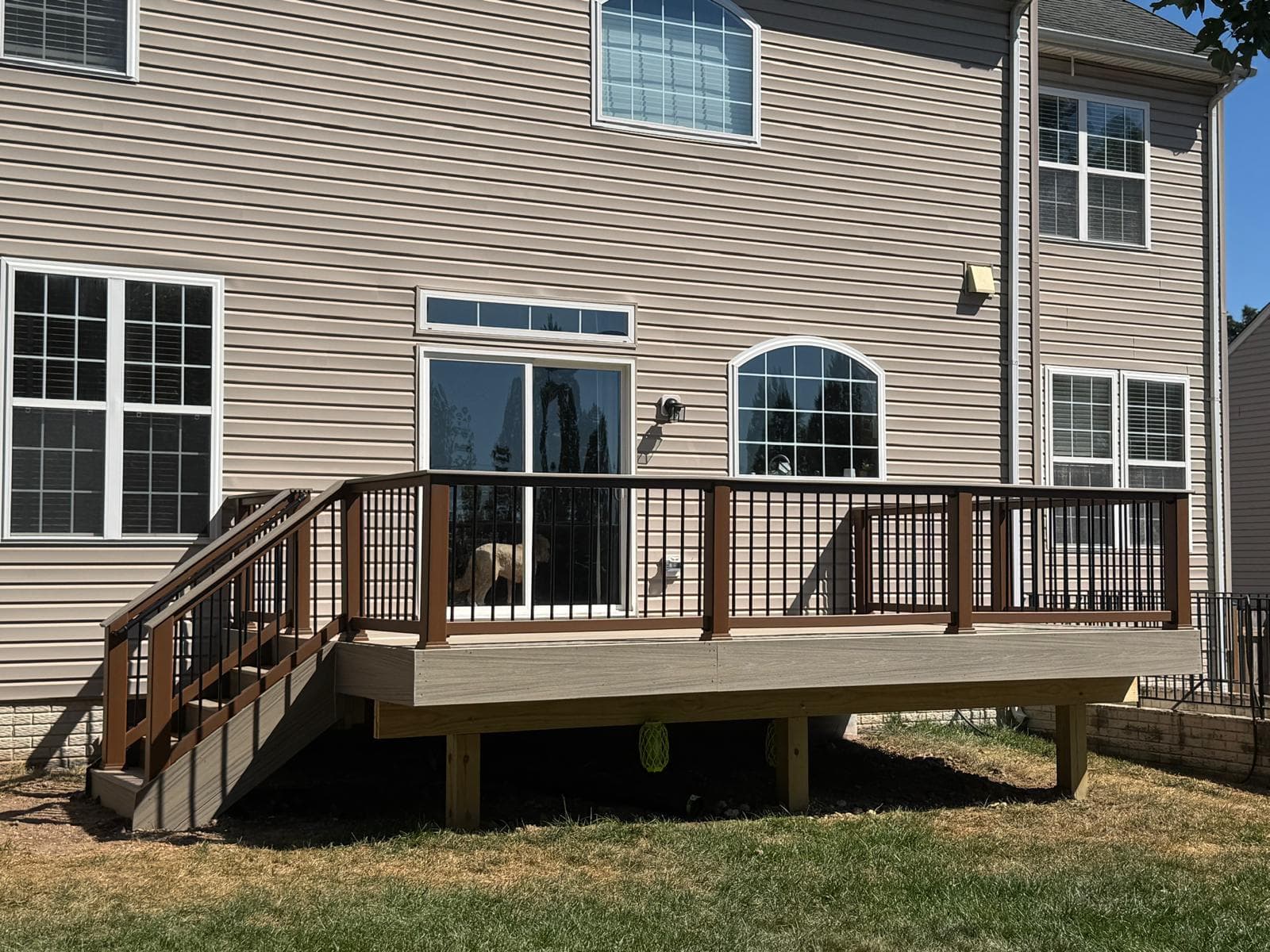
A replacement project may range from rebuilding an existing deck in a similar footprint to rethinking the entire outdoor layout. The scope should be defined clearly before construction begins. That usually includes the new deck structure, decking, railing, stairs, and the details required to integrate the deck with the home and yard.
For homeowners planning a more substantial upgrade, the discussion may also include a covered deck, a screened or protected area where appropriate, cable railing, low-voltage deck lighting, or an outdoor kitchen layout. These features affect more than appearance. They can change structural requirements, electrical planning, access needs, drainage considerations, and the sequence of the work.
A well-developed scope also addresses transitions. Where will stairs land? How will the deck meet an existing patio or grade? Is there adequate space around doors? Will a railing preserve an important view while still providing the needed safety barrier? Decisions like these are easier to make before the structure is built than after materials arrive.
Choose Materials Around How You Will Use the Deck
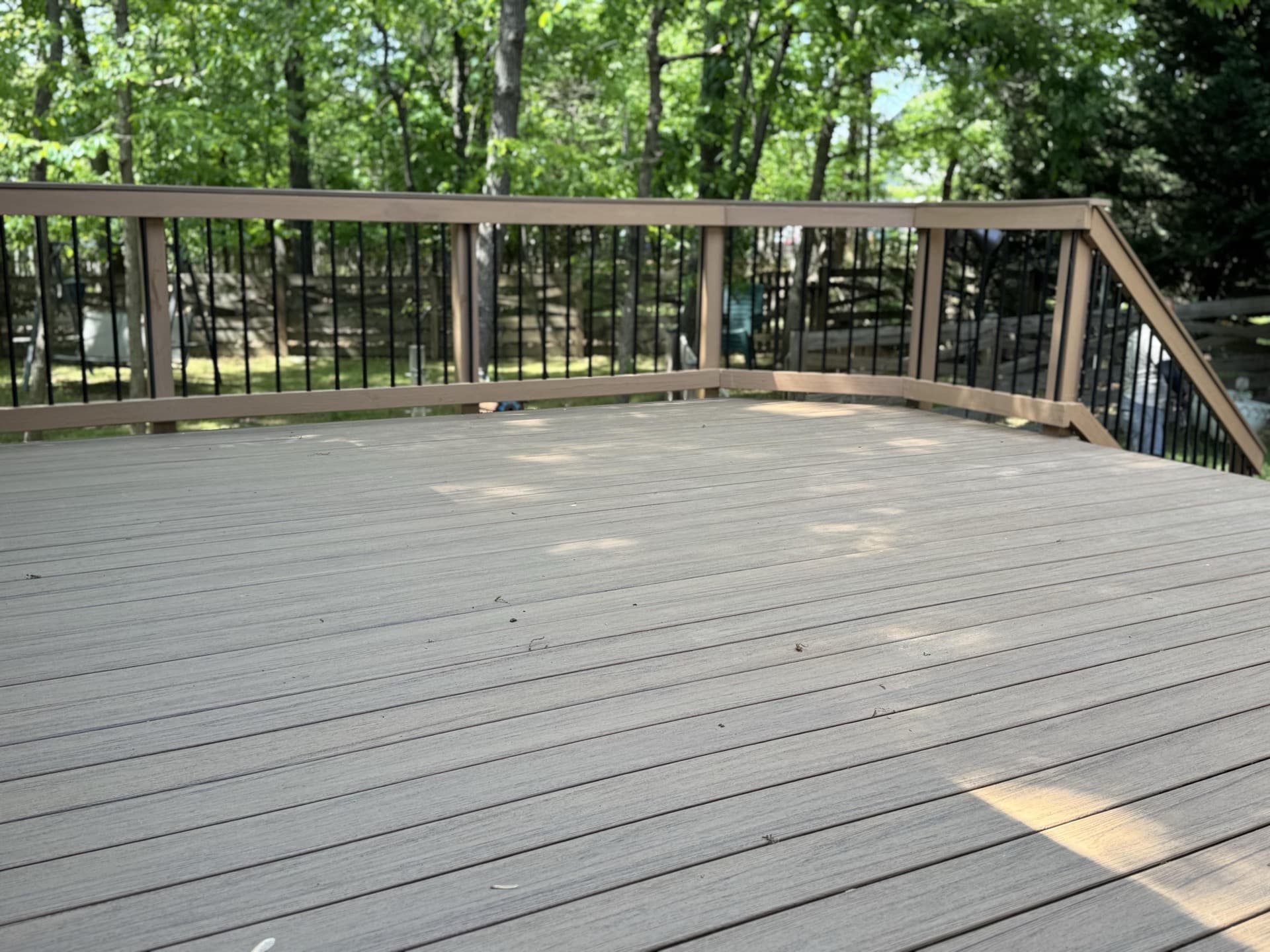
Composite and PVC decking are popular choices for homeowners who want a finished surface designed for long-term outdoor use without planning for regular staining or painting. Trex, TimberTech, and AZEK/PVC product lines offer different colors, board profiles, textures, railing options, and performance characteristics. The best choice is not always the one with the most features on a sample board.
Consider sun exposure, the amount of shade, the color of your home, how often the deck will be used, and whether the space will serve as a main entertaining area. Darker colors can create a dramatic look but may feel different in direct sun than lighter options. Railing selection can also shape the experience of the deck. A more open railing may support sightlines, while another style may better complement the architecture of the home.
Manufacturer specifications should be reviewed for the exact products being considered. Product choices can affect framing requirements, fastening methods, railing compatibility, and the details included in the finished proposal.
The Scope Decisions That Affect Your Written Estimate
There is no useful one-size-fits-all answer to what a deck replacement costs. The meaningful drivers are the project decisions behind the number. A straightforward rebuild and a redesigned multi-level deck may both be called a replacement, yet require very different planning and construction.
The size and shape of the deck matter, but so do elevation, site access, stair design, railing type, demolition needs, structural complexity, and the materials selected. Covered portions, lighting, utility coordination, and outdoor kitchen planning can add further layers of work. Difficult access to the backyard or a sloped site may affect how materials and equipment can be handled.
Permits and HOA review should also be part of the early conversation. Requirements can vary by jurisdiction and community. Neither should be treated as an afterthought, especially when the project changes the deck footprint, height, roof coverage, or structural components. A clear written scope helps homeowners compare proposals based on what is actually included rather than comparing a single bottom-line figure without context.
Plan the Project Before the Old Deck Comes Down
The strongest replacement projects begin with a realistic plan for use, layout, materials, approvals, and access. Gather any HOA guidelines that apply, note property features that could affect the design, and think through how the deck will connect to daily life. For example, a deck used for quiet morning coffee may need something different from one intended for frequent family meals and larger gatherings.
It is also helpful to identify decisions that should be coordinated early. Lighting locations, railing style, stair direction, and provisions for future outdoor features are much easier to address during design and construction than after the deck is complete. If financing options are relevant, they can be discussed during the estimate process.
Start With a Professional Evaluation
A deck replacement should leave you with more than attractive new boards. It should provide a structure, layout, and material plan that fit the home and the way you intend to use the space. Ask for a written estimate that explains the scope, identifies major selections, and gives you room to evaluate the project with confidence.
Loudoun Decks can help homeowners in Northern Virginia assess replacement options and prepare a clear project scope. A thoughtful evaluation now gives your next deck a better foundation for the years ahead.
Plan Your Northern Virginia Deck Project With Loudoun Decks
From ground-up deck construction to full outdoor living spaces, every project is custom-designed for your home with permit planning, material guidance, and written workmanship terms.