


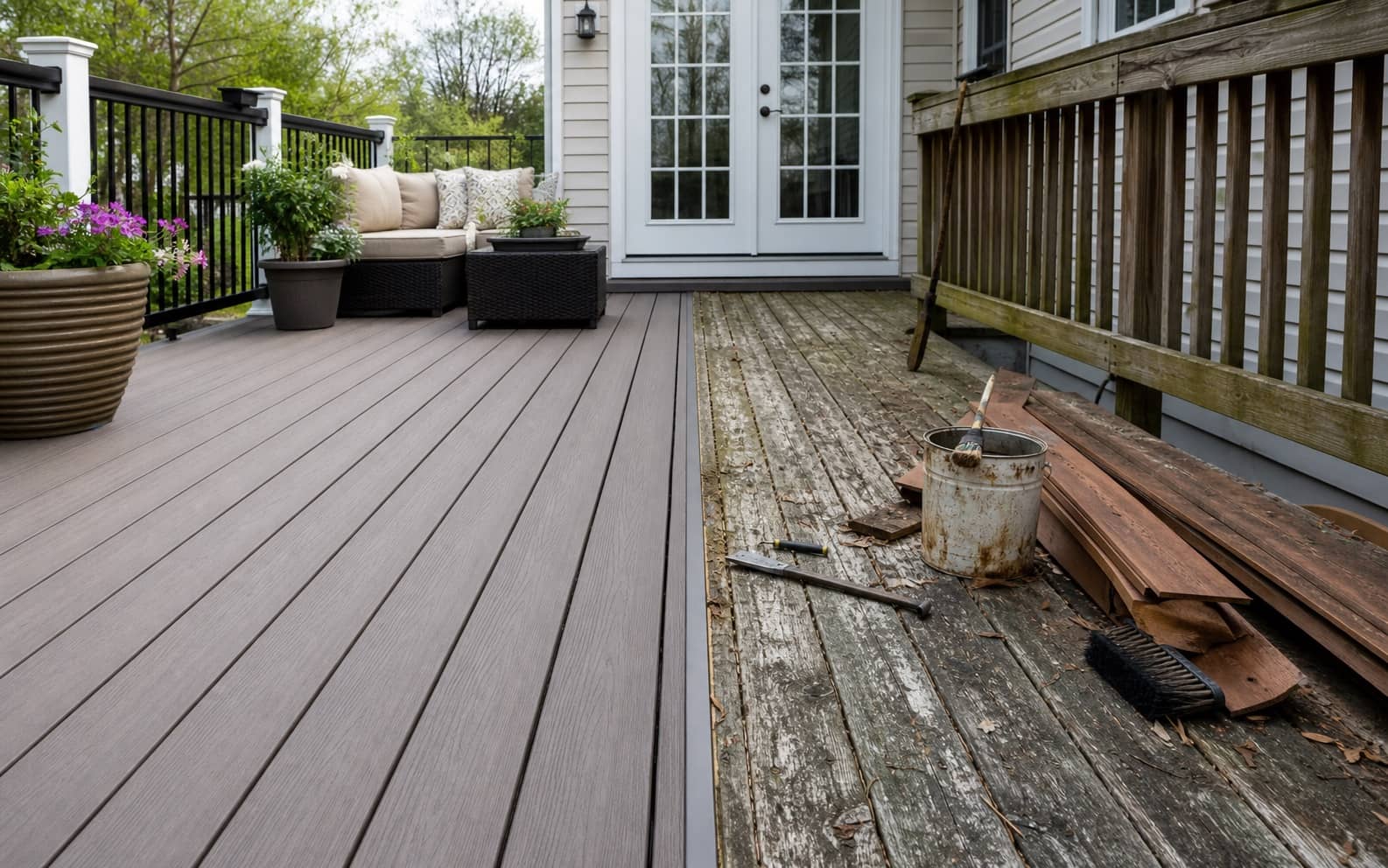
Composite Deck vs. Wood Deck: Total Cost Over 20 Years
The composite versus pressure-treated wood deck debate almost always starts with upfront cost — composite costs more to build. But the more useful comparison for a Northern Virginia homeowner is the 20-year total cost of ownership: initial build, plus maintenance, plus partial and full replacement cycles. The numbers often surprise people.
The composite vs. pressure-treated wood comparison is the most common material decision in Northern Virginia deck projects, and it is almost always framed incorrectly. The conversation starts with upfront cost — which favors PT wood — and stops there. The correct frame is total cost of ownership over a realistic service period: 20 years is a reasonable planning horizon for either material.
This analysis uses realistic Northern Virginia market costs and maintenance cycles to produce a 20-year total cost comparison for a 300-square-foot deck.
Baseline Assumptions
- Deck size: 300 square feet of deck surface, 60 linear feet of railing - Location: Northern Virginia (Loudoun / Fairfax county market) - Year: 2026 pricing - Framing: Pressure-treated framing is used for both options (PT framing is code-required regardless of surface material) - Railing: Composite railing on composite deck; pressure-treated railing on PT deck - Maintenance costs: Professional service pricing (not DIY)
Year 0: Initial Build Cost
Composite deck (Trex Select or TimberTech Terrain, 300 sq ft): - Deck surface material and installation: $18,000 to $24,000 - PT framing (joists, beams, posts, ledger): $8,000 to $12,000 - Composite railing (60 LF): $4,500 to $7,200 - Permit, footing, hardware: $3,000 to $5,000 - Total composite build: $33,500 to $48,200 (midpoint: ~$41,000)
Pressure-treated wood deck (300 sq ft): - PT deck surface material and installation: $8,000 to $12,000 - PT framing: $8,000 to $12,000 - PT railing: $3,000 to $5,500 - Permit, footing, hardware: $3,000 to $5,000 - Total PT build: $22,000 to $34,500 (midpoint: ~$28,000)
Upfront cost advantage: PT wood, by approximately $13,000
Years 1-20: Maintenance Costs
Composite deck maintenance (20 years):
Composite decking requires essentially no structural maintenance during the warranty period. Maintenance costs are: - Annual spring cleaning (professional power wash + soap clean): $200 to $350 per year - Over 20 years: $4,000 to $7,000 - Board replacement for isolated damage: $500 to $2,000 over 20 years (occasional) - Total composite maintenance (20 years): $4,500 to $9,000 (midpoint: ~$6,750)
Pressure-treated wood deck maintenance (20 years):
PT decking requires staining and sealing every 2 to 3 years to maintain condition: - Professional staining cycle (power wash, prep, stain): $900 to $1,500 per cycle - At a 2.5-year average cycle: 8 cycles over 20 years - Staining total: $7,200 to $12,000 - Partial board replacement at year 10 to 12 (30% of boards): $3,500 to $6,000 - Annual cleaning: $150 to $250 per year → $3,000 to $5,000 over 20 years - Total PT maintenance (20 years): $13,700 to $23,000 (midpoint: ~$18,350)
20-year maintenance cost advantage: Composite, by approximately $11,600
Year 20: End-of-Period Value
Composite deck at year 20: A composite deck (Trex Select, TimberTech Terrain) built in 2026 and properly maintained will be within its 25-year warranty period at year 20. The deck surface will show some UV weathering and color settling but will be structurally sound and aesthetically acceptable. The framing (PT) will be 20 years old — still within its expected service life if properly detailed and maintained.
At year 20, a well-maintained composite deck needs no replacement — it has 5 or more years of remaining useful life in the surface material. No significant capital expenditure is expected at the 20-year mark.
PT wood deck at year 20: A PT wood deck at year 20, even with consistent maintenance, will show significant weathering — checking, gray undertones that return between staining cycles, and a surface that has absorbed 20 years of UV and moisture cycling. At year 20, PT decking commonly reaches the threshold for full surface replacement.
Full surface replacement at year 20 (replacing all deck boards and railing with new PT): $11,000 to $17,500.
Many homeowners at this decision point choose to upgrade to composite rather than replace with PT again — effectively incurring the composite cost at year 20 after having paid PT maintenance costs for 20 years.
20-Year Total Cost Summary
| Cost Component | Composite | Pressure-Treated |
|---|---|---|
| Initial build | $41,000 | $28,000 |
| 20-year maintenance | $6,750 | $18,350 |
| Year-20 surface replacement | $0 | $14,250 |
| 20-year total | $47,750 | $60,600 |
20-year total cost advantage: Composite, by approximately $12,850
The composite deck costs more upfront by ~$13,000. Over 20 years, the composite total cost is lower by ~$12,850 — meaning the composite premium pays for itself within the 20-year planning horizon, and the owner has a deck with 5+ years of remaining surface life while the PT deck owner has a deck that needs immediate surface replacement.
When PT Wood Is the Better Financial Choice
PT wood's financial case is strongest when: - The ownership horizon is 5 to 7 years: If you plan to sell within that window, you will not recover the composite premium through maintenance savings. A well-maintained PT deck presents acceptably at listing time in that timeframe. - DIY maintenance: Homeowners who consistently maintain PT decks themselves (buying materials, doing the staining work) reduce the maintenance cost gap significantly — perhaps from $11,600 to $4,000 to $6,000, which meaningfully changes the crossover math. - Budget ceiling: A $28,000 build is the right choice over a $41,000 build that the homeowner cannot fund.
When Composite Is the Better Financial Choice
Composite's financial case is strongest for: - 10+ year ownership horizon: The maintenance savings compound over time - Professional maintenance pricing: Homeowners who hire out maintenance capture the full $11,600 maintenance gap - Preference for zero maintenance: Many Northern Virginia homeowners specifically value not having to think about the deck for 25 years
LDN Decks builds both composite and PT decks across Northern Virginia. We provide side-by-side cost comparisons on every project so clients can make this decision with accurate numbers, not assumptions.
Get a Composite vs. PT Comparison Estimate
---
Related: Trex Decking Review Northern Virginia · Pressure-Treated Deck Boards Guide · Deck Cost Northern Virginia 2026 · Deck Staining Guide · New Deck Services
Frequently Asked Questions
Is a composite deck cheaper than wood over time?
Yes, for most Northern Virginia homeowners with a 10+ year ownership horizon. A composite deck costs approximately $13,000 more upfront than a comparable pressure-treated wood deck. Over 20 years, the composite deck saves approximately $11,600 in maintenance costs (no staining cycles required) and avoids the $14,250 surface replacement typically needed on a PT deck at year 20. The 20-year total cost favors composite by approximately $12,850.
How much does it cost to maintain a pressure-treated deck over 20 years?
A professionally maintained 300-square-foot PT deck in Northern Virginia costs approximately $18,350 in maintenance over 20 years: 8 professional staining cycles at $900 to $1,500 each ($7,200 to $12,000), annual cleaning ($3,000 to $5,000), and partial board replacement at year 10 to 12 ($3,500 to $6,000). At year 20, a full surface replacement adds another $11,000 to $17,500 — bringing the 20-year total to approximately $60,600 including the initial build.
How long does composite decking last vs pressure-treated wood?
Premium composite decking (Trex Select, TimberTech Terrain) carries a 25-year fade and stain warranty and is designed to remain structurally sound through that period. Pressure-treated wood deck surfaces in Northern Virginia typically reach the threshold for full replacement at 15 to 20 years with consistent maintenance, and sooner without it. Composite's effective service life advantage over PT in the Northern Virginia climate is approximately 5 to 10 years.
What is the 20-year total cost of a composite deck in Northern Virginia?
A 300-square-foot composite deck (Trex Select or TimberTech Terrain tier) in Northern Virginia has an all-in 20-year total cost of approximately $47,750: roughly $41,000 initial build plus $6,750 in maintenance (cleaning and incidental repairs). The deck has 5+ years of remaining surface life at year 20. No surface replacement is expected within the 20-year window.
Is the composite deck premium worth it in Northern Virginia?
For homeowners planning to own the home for 10 or more years and who hire out deck maintenance: yes, the composite premium typically pays for itself within the 20-year ownership window through maintenance savings and avoided end-of-period replacement cost. For homeowners planning to sell within 5 to 7 years, or who perform DIY maintenance on a PT deck consistently: the financial case for composite is weaker, and PT may be the better financial choice.
Cost estimates in this analysis are based on 2026 Northern Virginia market pricing and represent midpoint estimates. Actual costs vary by project specification, contractor, and market conditions. Maintenance frequency and cost depend on specific deck conditions, sun exposure, and homeowner practice.
Plan Your Northern Virginia Deck Project With Loudoun Decks
Get a free, no-pressure consultation from a licensed Northern Virginia deck builder. Call (571) 655-7207 or visit ldndecks.com/get-estimate.
Get a Free EstimateEverything Your Outdoor
Space Needs
From ground-up deck construction to full outdoor living spaces, every project is custom-designed for your home with permit planning, material guidance, and written workmanship terms.
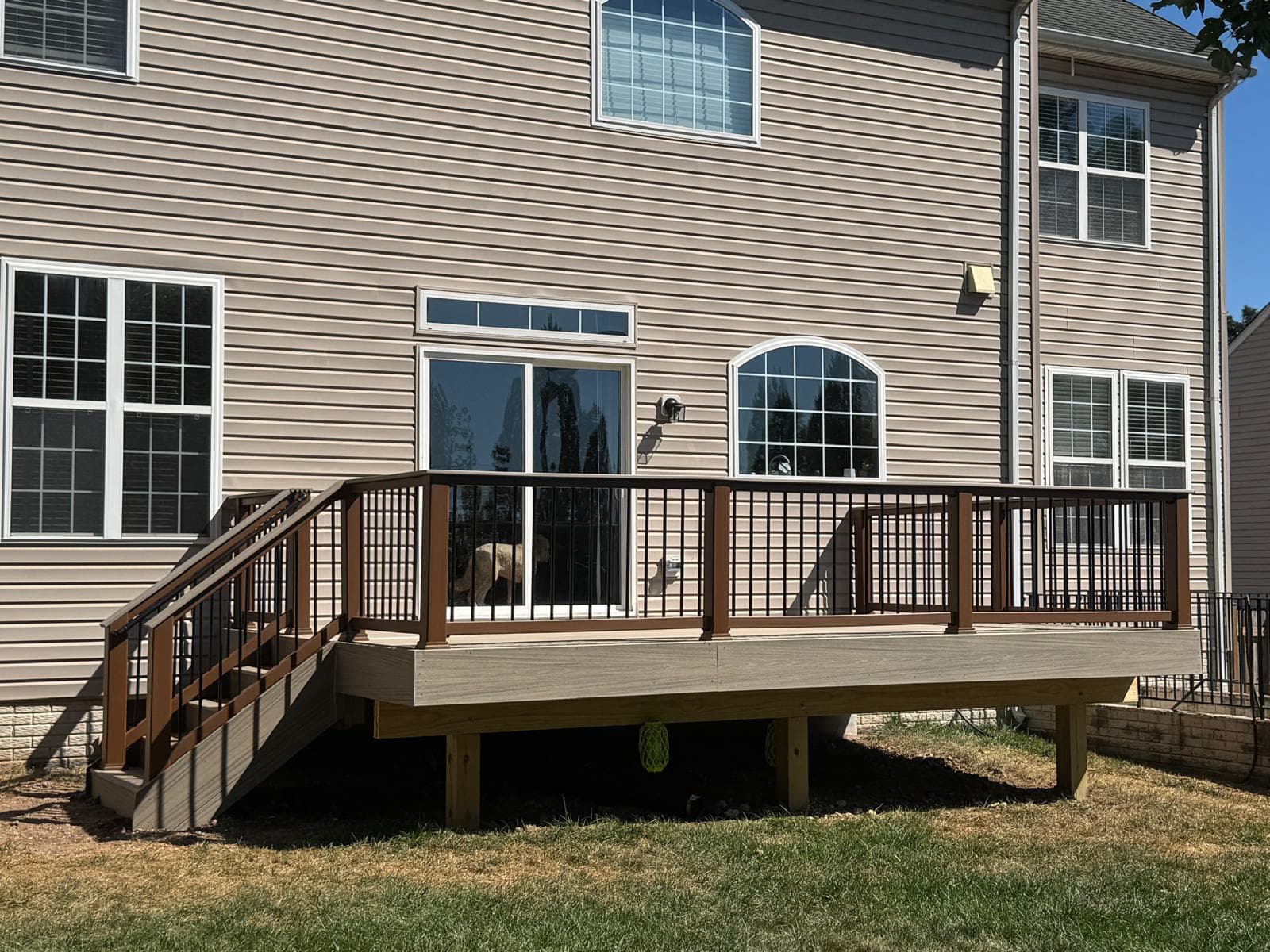
Custom Deck Builder
Transform your backyard with a custom-designed deck using Trex, TimberTech, wood, or PVC materials matched to your budget, HOA rules, and maintenance goals.
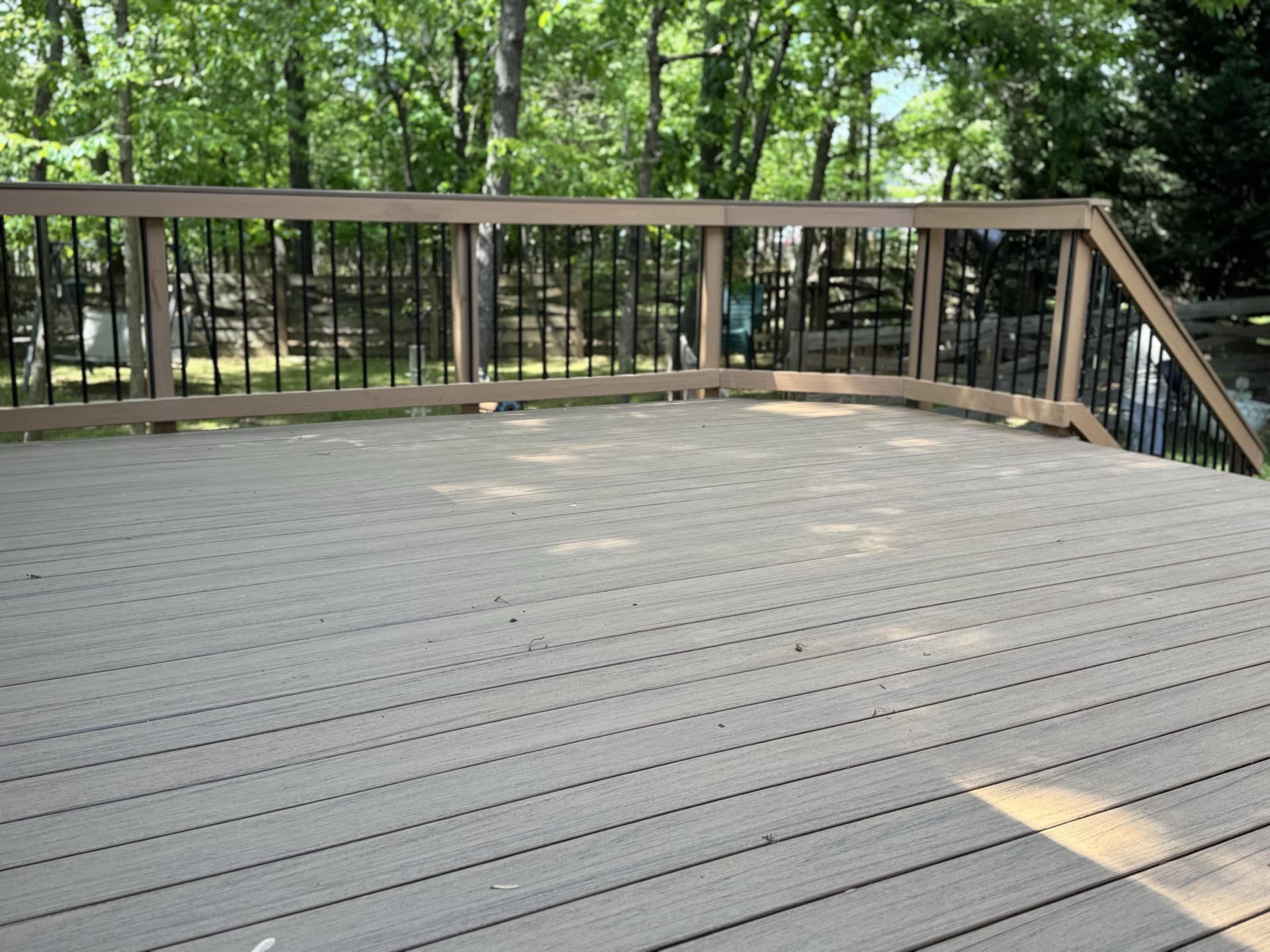
Deck Resurfacing
Premium wood-to-composite resurfacing for structurally sound frames. Full surface conversions start from $15k with boards, railings, fascia, and safety review.
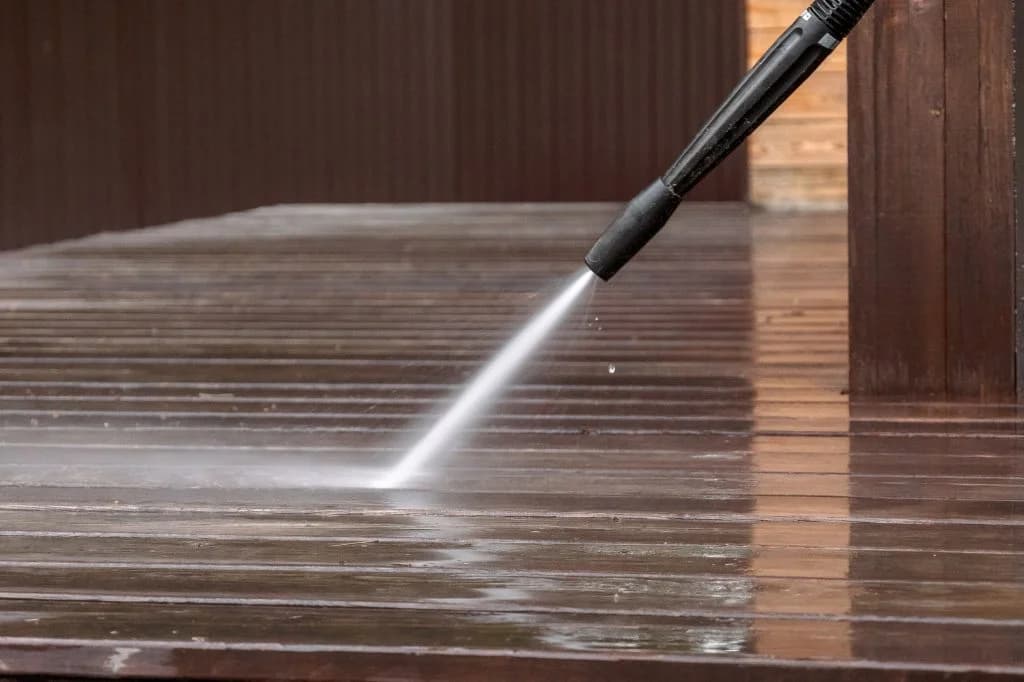
Patio Contractor Services
Professional bluestone and paver patio installation. We create durable, beautiful ground-level outdoor living spaces that last a lifetime.
Local Expertise Across Northern Virginia
Loudoun Decks is a trusted deck builder serving Loudoun County, Fairfax County, Prince William County, Arlington, and Stafford.
Guides Northern Virginia Homeowners Are Reading
Trex vs TimberTech vs AZEK
Side-by-side brand comparison for Virginia climate.
Composite Deck Cost in Northern Virginia
Material pricing, verified source references, planning examples and what drives the price.
Free Deck Cost Calculator
Get an instant estimate by material, size, and add-ons.
TimberTech & AZEK Decks
Premium PVC and composite deck options for Northern Virginia.
Deck Permits in Loudoun County
Permit requirements, review steps and inspection context for Loudoun homeowners.
Deck Permits in Fairfax County
Requirements, timeline, fees, and inspection process.