


Helical Piers vs. Concrete Footings: Sizing, Excavation, and Structural Support for Virginia Clay
A strong deck begins in the soil. Compare traditional hand-dug concrete footings and modern structural steel helical piers for Northern Virginia homes. Discover how they perform in dense Virginia red clay, code requirements, and when helical piers are the superior choice.
Quick Answer
Concrete footings remain the standard foundation for many Northern Virginia decks, while helical piers can be useful on wet clay, steep yards, tight access sites, tree-root areas, or high-load projects where excavation and curing delays create risk.
The practical permit difference is documentation: concrete footings are usually inspected for depth and diameter before the pour, while helical piers typically need manufacturer data, installation torque records, and engineered approval for the local building department.
Source Context
A structurally sound custom deck is only as strong as its foundation. In Northern Virginia, where the soil consists primarily of heavy, dense, and expandable red clay, designing a foundation that can withstand soil movement, frost heaving, and thousands of pounds of downward structural pressure is a critical engineering challenge.
For decades, the industry standard has been the traditional concrete footing: digging a deep hole, inserting a cardboard Sonotube, and pouring wet concrete. However, in recent years, an advanced engineering alternative has gained massive popularity among premium deck builders: structural steel helical piers (or helical piles).
This guide provides a comprehensive technical comparison between traditional concrete footings and modern helical piers, evaluating how they perform in Virginia’s unique soils, their installation physics, local building code requirements, and how to determine which foundation is the right choice for your project.
1. The Traditional Concrete Footing: Digging in Virginia Clay
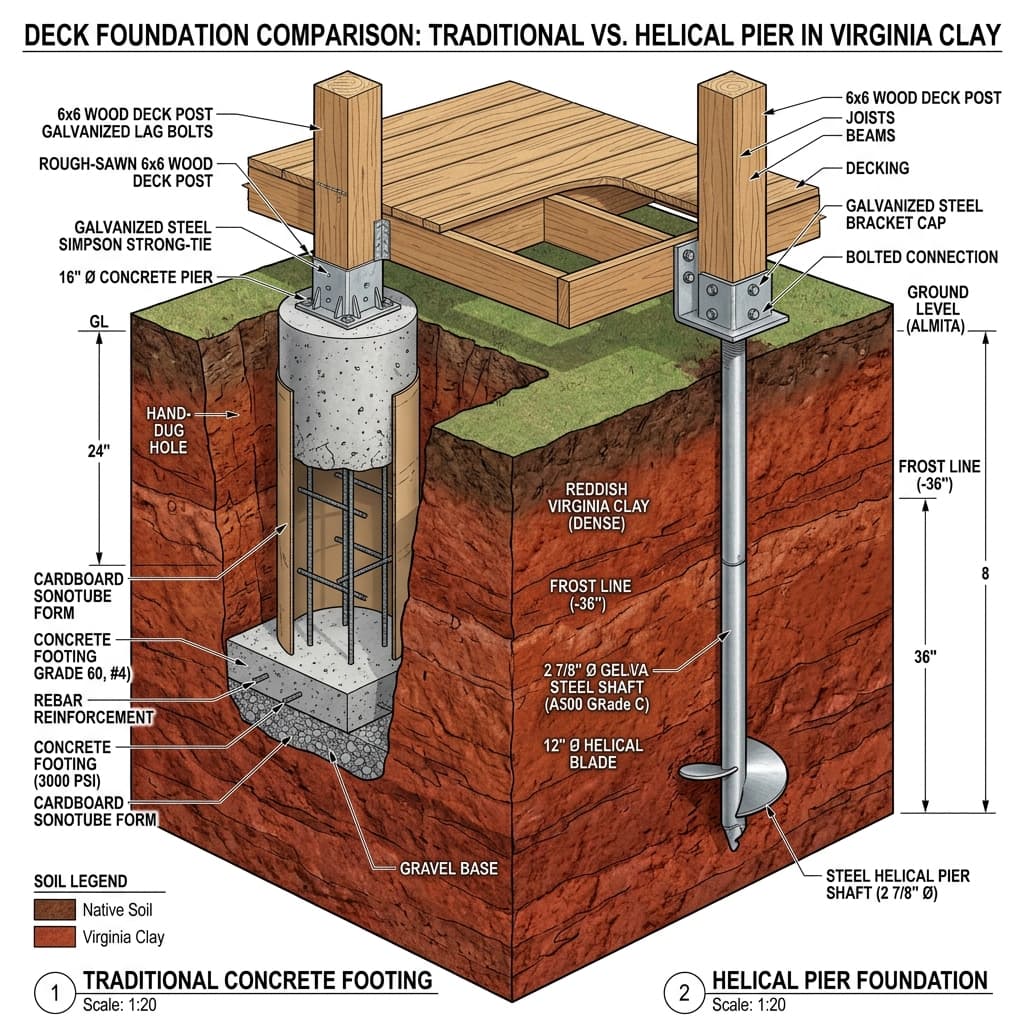
Traditional concrete footings distribute the deck’s load by spreading weight over a wide footprint of concrete poured deep in the ground. The physics rely on the surface area of the bottom of the footing pressing against stable soil.
Sizing and Depth Standards Under the Virginia Residential Code (VRC), all deck footings must be dug to a minimum depth of **24 inches** below grade to get beneath the local frost line (the depth to which the ground freezes in winter). Digging below the frost line prevents "frost heaving"—a process where freezing soil moisture expands and forces the footing (and the deck above it) upward.
Footing diameters are sized based on the weight they must carry and the soil's bearing capacity. In typical Virginia clay (rated at a conservative 1,500 psf bearing capacity), a standard deck post requires a footing diameter between 16 and 20 inches, with a minimum thickness of 6 to 8 inches of solid concrete at the base.
The Real-World Challenges of Concrete in NoVA While concrete is a highly reliable material, the installation process in Northern Virginia presents several physical challenges: - **Heavy Red Clay:** Digging a 16-inch wide, 24-inch deep hole in dense Virginia clay by hand is incredibly difficult and time-consuming. Using a motorized auger is faster, but rocks, tree roots, and compacted clay often cause augers to bounce or get stuck. - **Weather Delays:** Concrete cannot be poured in freezing temperatures or heavy rain. A rainstorm will quickly turn a freshly dug clay hole into a muddy soup, requiring the hole to be re-excavated and cleaned before pouring. - **Curing Time:** Once poured, concrete must cure for at least **24 to 48 hours** before the structural wood framing can be built on top, adding a forced delay to the construction schedule. - **Landscape Disruption:** Digging several large footings generates hundreds of pounds of excess clay soil that must be hauled away, and the heavy machinery or constant foot traffic can tear up manicured suburban yards.
2. The Structural Steel Helical Pier: Foundation Engineering Re-imagined
Helical piers bypass the need for digging and concrete entirely. A helical pier consists of a high-strength, hot-dipped galvanized steel shaft with one or more steel helical plates (like a large screw thread) welded to the bottom.
The Physics of Helical Installation Instead of excavating soil, a specialized hydraulic drive head is attached to a mini-excavator or skid-steer to literally screw the steel pier deep into the ground. As the pier penetrates the earth, the helical flight plates compress and lock into the soil fibers rather than displacing them.
During installation, the hydraulic equipment measures the installation torque in real-time. Engineering physics dictates a direct mathematical relationship between the torque required to turn the pier and the soil's load-bearing capacity. The installer drives the pier down until it hits a pre-calculated torque value, proving that the pier has reached soil dense enough to carry the deck's design load.
Why Helical Piers Excel in Virginia Soils - **Deep Reach:** Helical piers are typically **7 feet** long, meaning they are driven far deeper than the standard 24-inch frost line. This places the load-bearing plate into incredibly stable, compacted deep-soil layers that are entirely unaffected by seasonal weather patterns. - **Zero Excavation or Mud:** Because the piers are screwed directly into the ground, there is zero dirt to haul away, no lawn damage, and no risk of a rainstorm ruining a dug hole. - **Instant Load Capacity:** Galvanized steel has immediate structural strength. As soon as the helical pier is driven to depth and capped with a steel bracket, the carpentry crew can bolt the 6x6 wood posts in place and begin framing immediately—saving days of curing time. - **Perfect for Slopes and Hard-to-Reach Areas:** On the steep hillsides common in Western Loudoun or along river cliffs, maneuvering heavy concrete trucks or digging by hand is dangerous and impractical. Compact hydraulic helical rigs can easily navigate tight side yards and sloped hills with minimal impact. - **Root Mitigation:** Digging near mature trees sever-cuts their roots. The slender steel shaft of a helical pile slips easily between and past roots without structural damage to trees.
3. Technical Comparison: Concrete vs. Helical Piers
| Engineering Metric | Traditional Concrete Footings | Structural Steel Helical Piers (e.g., Techno Metal Post / Almita) | | :--- | :--- | :--- | | Excavation Required | Yes (200+ lbs of clay per hole) | None | | Standard Depth | 24 inches (VRC Frost Line) | 5 to 10 feet (until torque capacity is achieved) | | Installation Time | 30-45 mins per hole + 24 hr cure | 10-15 mins per pier (immediate framing) | | Verification Method | Visual inspection of hole depth/diameter | Real-time hydraulic torque pressure readings | | Sensitivity to Water | High (muddy holes require re-digging) | None (can be installed in standing water/swamps) | | Landscape Damage | Moderate to High (dirt piles, heavy foot traffic) | Minimal (turf-friendly machinery, no dirt) | | Cost per Footing | Lower material cost, higher labor | Higher material cost, much lower labor |
4. Building Code Compliance in Northern Virginia
Both concrete footings and helical piers are fully approved under the Virginia Uniform Statewide Building Code, but they follow different paths to approval:
- Concrete Footings: Approved by county inspectors via standard prescriptive tables. The inspector visits the site after holes are dug but *before* concrete is poured to measure the depth (verifying it is at least 24 inches) and width.
- Helical Piers: Classed as an "engineered foundation system." To pass county inspection in Fairfax, Loudoun, or Prince William County, the manufacturer must provide a certified engineering report for each pier installed. The installer logs the pressure and torque readings during driving, and a licensed professional engineer (PE) signs off on the data sheet, which is then submitted to the building department for final approval.
Summary: Which Should You Choose?
For a standard, ground-level rectangular deck on a flat yard with easy access, traditional concrete footings remain a highly cost-effective, code-compliant choice.
However, helical piers are the clear engineering winner if: 1. Your yard has a steep slope or tricky elevations. 2. You want to preserve your high-end landscaping, turf, or patio from heavy construction damage. 3. Your project includes high-load features like a heavy hot tub, multi-level framing, or a heavy timber roof structure. 4. You want to accelerate the build schedule by eliminating concrete curing days.
At Loudoun Decks, we engineer every foundation to exceed local codes, ensuring your outdoor living space stands rock-solid for decades. Whether we are digging deep concrete piers in Ashburn or driving galvanized helical piles in Leesburg, our focus is absolute structural excellence.
Planning a new deck in Northern Virginia? Contact the Loudoun Decks team today or call 571-655-7207 to map out the perfect foundation for your project.
Related Resources
Frequently Asked Questions
Are helical piers allowed by building departments in Virginia?
Yes, absolutely. Helical piers are fully approved by building departments across Northern Virginia (including Loudoun, Fairfax, and Prince William counties). Because they are an engineered system, the installer must submit a torque log sheet certified by a licensed professional engineer (PE) to the county to obtain final inspection approval.
How deep do helical piers go compared to concrete?
Traditional concrete footings are dug to a standard depth of 24 inches to sit below the frost line. Helical steel piers are typically 7 feet long but can be extended much deeper by welding or bolting on shaft sections, driving them deep until they hit high-density soil that meets the required load-bearing torque.
Can helical piers be installed near existing tree roots?
Yes. Unlike digging concrete footings, which requires severing large tree roots and potentially damaging the tree, the slender steel shaft of a helical pier can slide past roots with minimal disruption. The helical blade will screw through minor root fibers without harming the tree's structural health.
Do helical piers cost more than concrete footings?
Helical piers have a higher initial material and machinery cost than concrete. However, because they require zero manual excavation, generate no dirt cleanup, and allow immediate framing construction without waiting for concrete to cure, the reduced labor hours and faster build times often offset the material premium, making the total project cost very competitive.
Plan Your Northern Virginia Deck Project With Loudoun Decks
Get a free, no-pressure consultation from a licensed Northern Virginia deck builder. Call (571) 655-7207 or visit ldndecks.com/get-estimate.
Get a Free EstimateEverything Your Outdoor
Space Needs
From ground-up deck construction to full outdoor living spaces, every project is custom-designed for your home with permit planning, material guidance, and written workmanship terms.
Custom Deck Builder
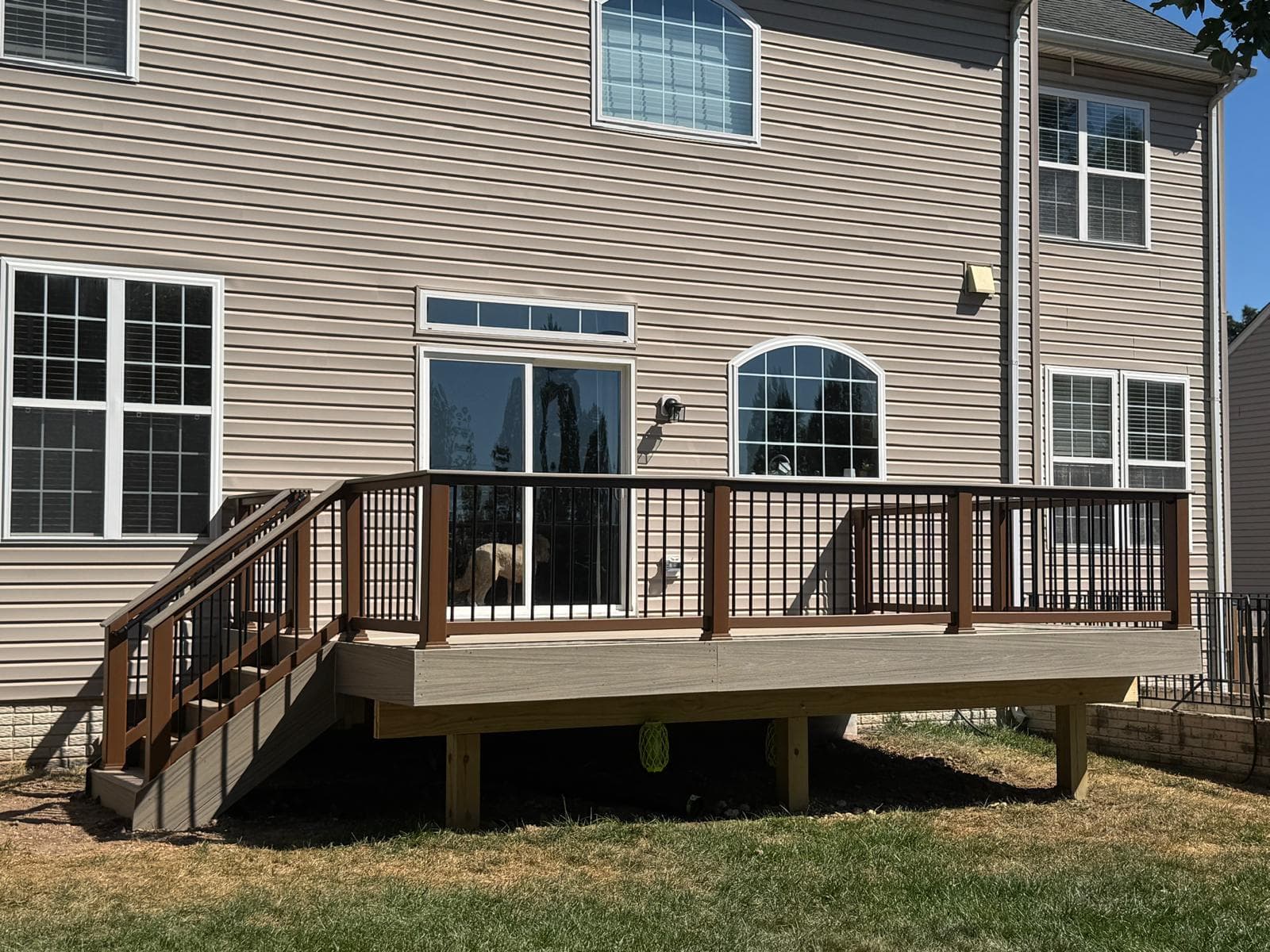
Transform your backyard with a custom-designed deck using Trex, TimberTech, wood, or PVC materials matched to your budget, HOA rules, and maintenance goals.
Deck Resurfacing
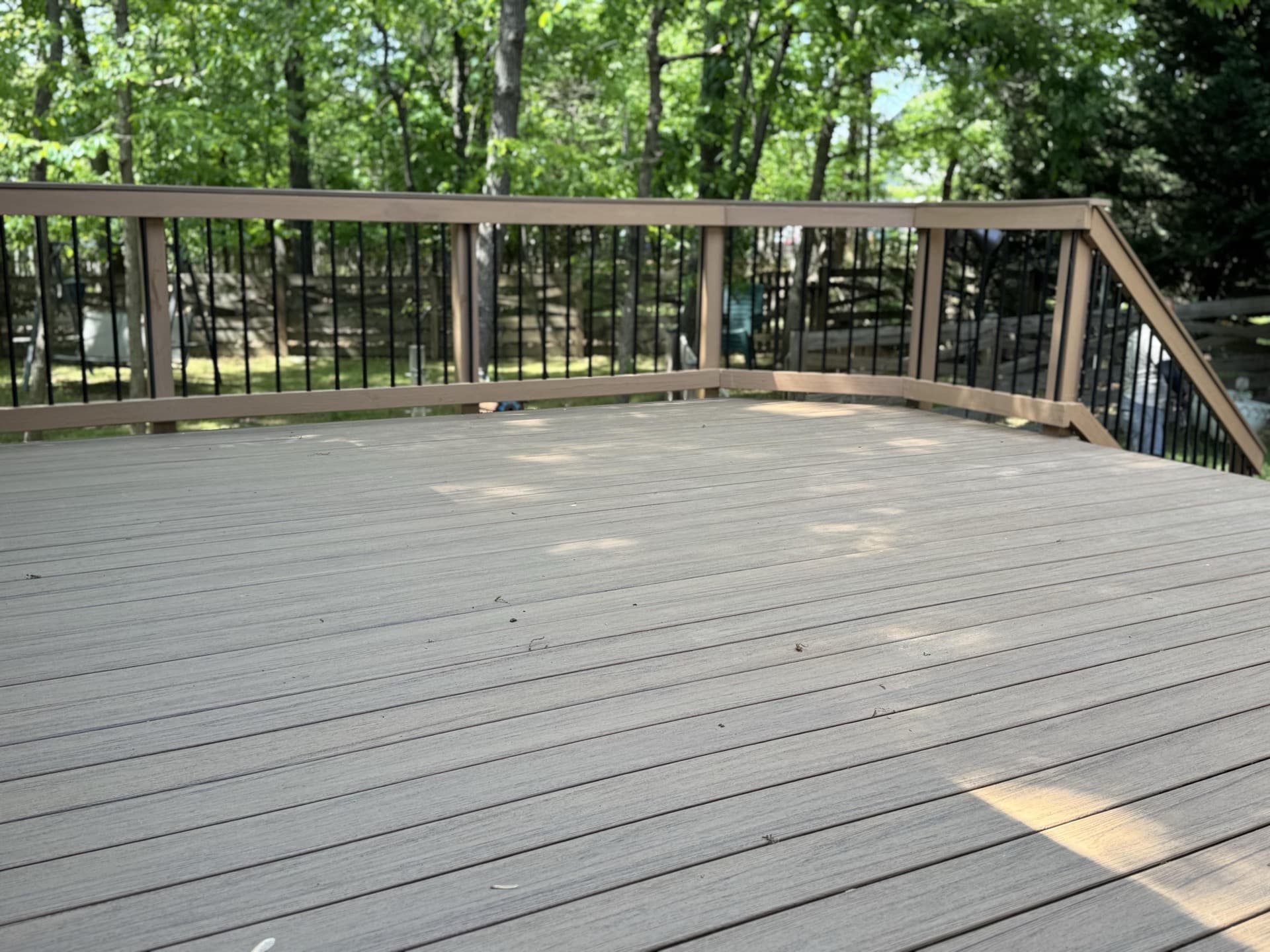
Premium wood-to-composite resurfacing for structurally sound frames. Full surface conversions start from $15k with boards, railings, fascia, and safety review.
Patio Contractor Services
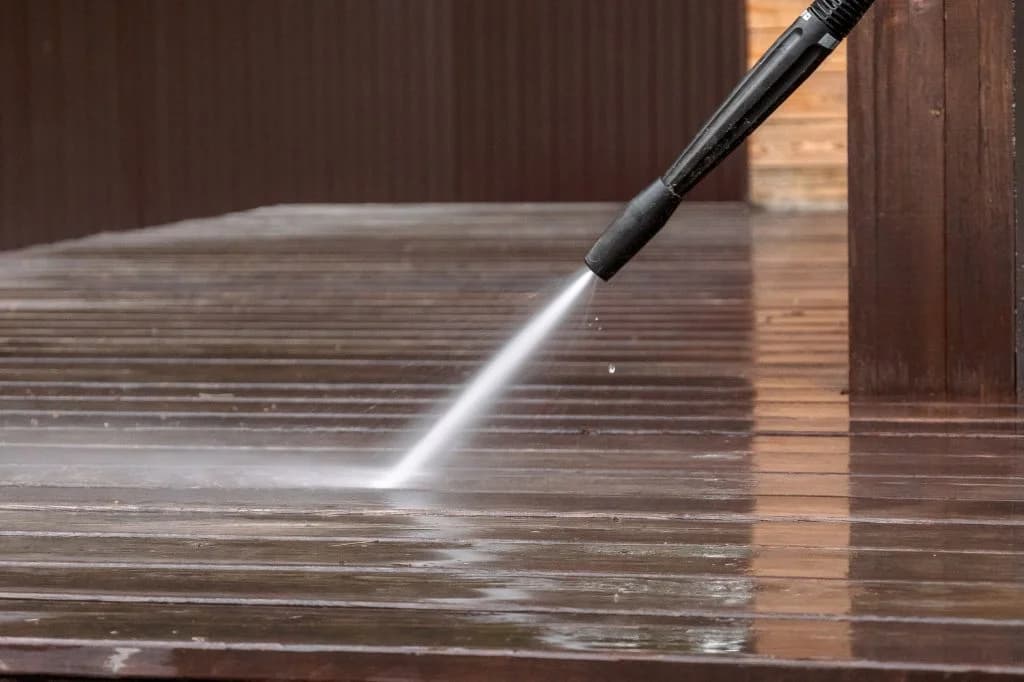
Professional bluestone and paver patio installation. We create durable, beautiful ground-level outdoor living spaces that last a lifetime.
Local Expertise Across Northern Virginia
Loudoun Decks is a trusted deck builder serving Loudoun County, Fairfax County, Prince William County, Arlington, and Stafford.
Loudoun County
- Ashburn, VA
- Leesburg, VA
- Sterling, VA
- Aldie, VA
- South Riding, VA
- Broadlands, VA
- Brambleton, VA
- Purcellville, VA
- Hamilton, VA
- Lovettsville, VA
- Round Hill, VA
- Middleburg, VA
- Dulles, VA
- Arcola, VA
- Belmont, VA
- Cascades, VA
- Countryside, VA
- Lowes Island, VA
- Potomac Falls, VA
- Lansdowne, VA
- One Loudoun, VA
- Stone Ridge, VA
Fairfax County
- Fairfax, VA
- Fairfax Station, VA
- Burke, VA
- Springfield, VA
- West Springfield, VA
- Annandale, VA
- Centreville, VA
- Chantilly, VA
- Clifton, VA
- Herndon, VA
- Reston, VA
- Great Falls, VA
- McLean, VA
- Vienna, VA
- Oakton, VA
- Falls Church, VA
- Tysons, VA
- Dunn Loring, VA
- Merrifield, VA
- Alexandria, VA
- Lorton, VA
- Mount Vernon, VA
Prince William County
- Gainesville, VA
- Haymarket, VA
- Bristow, VA
- Manassas, VA
- Manassas Park, VA
- Woodbridge, VA
- Lake Ridge, VA
- Dumfries, VA
- Occoquan, VA
- Nokesville, VA
- Independent Hill, VA
- Montclair, VA
- Dale City, VA
- Triangle, VA
Arlington County
- Arlington, VA
- Rosslyn, VA
- Ballston, VA
- Clarendon, VA
- Pentagon City, VA
- Crystal City, VA
- Shirlington, VA
Stafford County
- Stafford, VA
- Falmouth, VA
- Garrisonville, VA
- Aquia Harbour, VA
Guides Northern Virginia Homeowners Are Reading
Deck Resurfacing vs Replacement
How to decide between resurfacing, structural repair and full replacement.
Premium Composite Replacement
High-value composite replacement planning for Arlington, Alexandria and McLean homeowners.
Deck Footing Depth Calculator
Estimate footing depth, diameter, frost-depth guidance and inspection notes.
Deck Beam Span Calculator
Estimate beam span, post spacing, tributary width and framing warnings.
Deck Joist Span Calculator
Estimate joist span, spacing, cantilever and composite decking support warnings.
Deck Load Calculator
Estimate distributed deck load, beam line load, post load and heavy-upgrade warnings.