


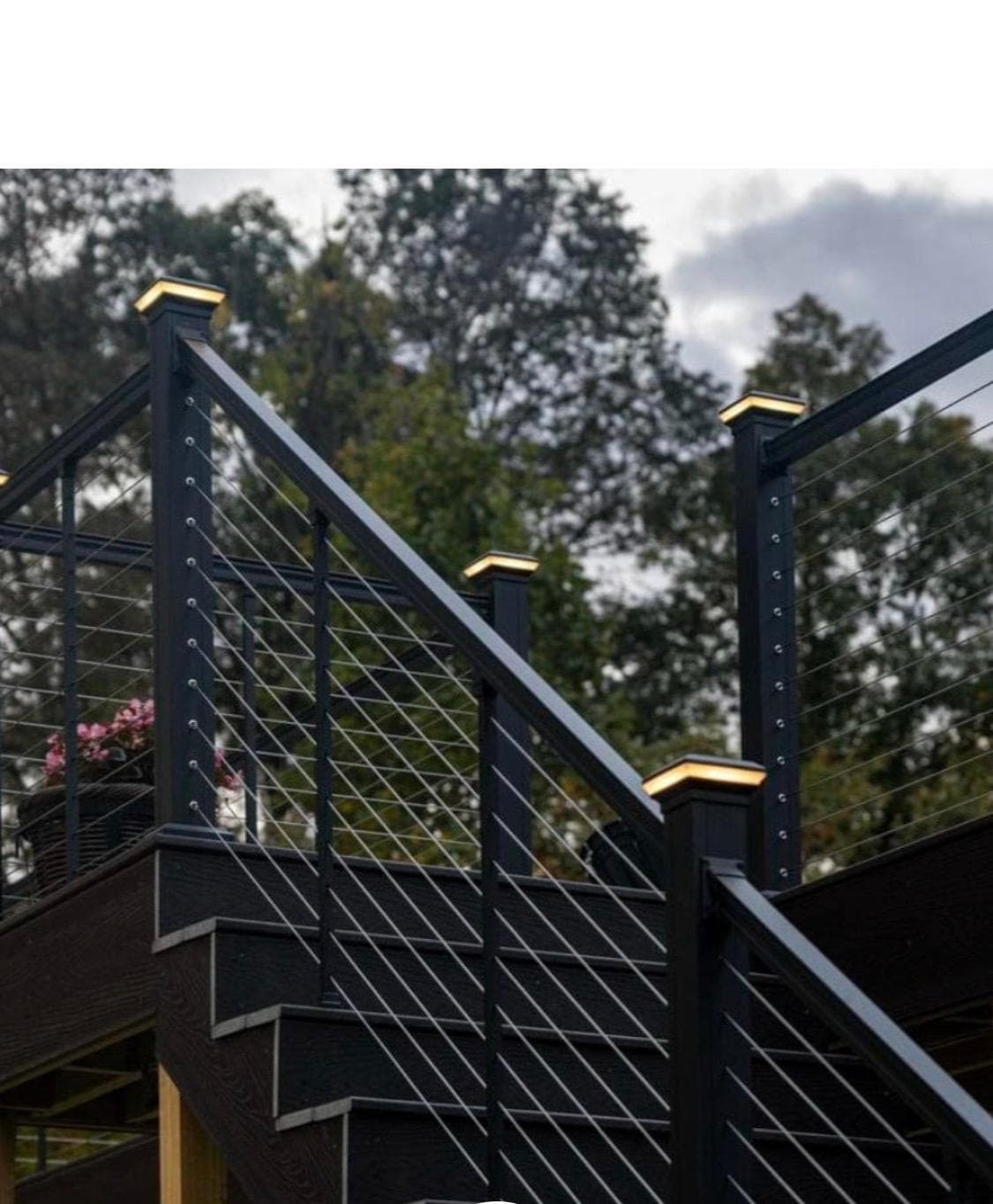
A Homeowner’s Guide to Deck Lighting Automation
Transform your outdoor living space with smart, automated low-voltage LED lighting. Learn about transformers, photocells, and WiFi integration.
Quick Answer
The best deck lighting automation plan is decided during construction, not after. Low-voltage wiring can be hidden in framing, posts, rails, stairs, and under-deck spaces before boards and trim close the structure.
For most Northern Virginia projects, the practical choice is a transformer with photocell or smart-timer control, paired with stair, post-cap, under-rail, and task lighting zones that support both safety and evening use.
A beautifully crafted composite deck is visually stunning during the day, but without proper illumination, it becomes entirely unusable the moment the sun sets. Relying on an aggressive, blinding floodlight attached to your siding ruins the ambiance. The solution is a seamlessly integrated, fully automated low-voltage LED lighting system.
In this guide, we will break down the components of a modern deck lighting system and how you can automate it so you never have to flip a switch again.
The Core Components of Low-Voltage Lighting
Unlike traditional 120-volt household wiring, deck lighting utilizes safe, low-voltage (usually 12V DC) wiring. This system consists of three main elements:
1. The Fixtures: These include stair riser lights for safety, post-cap lights for ambient perimeter glow, and under-rail strip lights for highlighting the deck boards. 2. The Wiring: Thin, heavily insulated low-voltage wire runs invisibly underneath the deck joists and inside the hollow composite railing posts, linking all the fixtures together. 3. The Transformer: The heart of the system. The transformer plugs into a standard exterior GFCI outlet and steps the dangerous 120-volt AC power down to a safe 12-volt DC current.
Automation Method 1: The Photocell Timer
The most reliable and traditional method for automating deck lighting is the photocell.
How it works: A photocell is a small light sensor that is plugged into or built into the transformer. It monitors the ambient light levels outside. When the sun goes down and it gets dark, the photocell triggers the transformer to turn the deck lights on. When the sun rises, it turns them off.
Most modern transformers allow you to combine the photocell with a timer. For example, you can set the system to turn on at dusk via the photocell, but automatically shut off after exactly 4 or 6 hours to save electricity, rather than staying on all night.
Automation Method 2: WiFi and Smart Home Integration
For the ultimate control, many homeowners are opting for smart transformers (like those from FX Luminaire or Trex).
How it works: These transformers connect directly to your home’s WiFi network and are controlled via a smartphone app.
Benefits: - Astronomical Timers: Instead of relying on a physical light sensor, the app knows exactly what time sunset is based on your zip code and adjusts the turn-on time automatically throughout the year as the seasons change. - Zoning and Dimming: You can create "zones" (e.g., stairs vs. perimeter) and dim the lights to 50% for an intimate dinner, or bump them to 100% for a large party. - Voice Control: You can integrate the system with Alexa or Google Home, allowing you to say, "Alexa, turn on the deck."
Why Integration Matters During Construction
The secret to a flawless lighting system is installing it *while* the deck is being built. By running the wires through the posts and under the joists before the decking boards are screwed down, Loudoun Decks ensures that absolutely zero wires are visible on the finished product. Retrofitting lights onto an existing deck often involves unsightly wire covers or compromises in placement.
Automated lighting not only extends your entertaining hours but adds a crucial layer of safety and security to your Northern Virginia home.
Related Resources
Frequently Asked Questions
Is low-voltage deck lighting safe?
Yes, low-voltage lighting (12V) is extremely safe for outdoor use and does not carry the shock risks associated with standard 120V household wiring.
What is a photocell timer?
A photocell is a sensor that detects ambient sunlight. It automatically turns your deck lights on at dusk and off at dawn without needing manual intervention.
Can I control my deck lights with my phone?
Yes, by installing a WiFi-enabled smart transformer, you can control the brightness, schedules, and zones of your deck lighting directly from a smartphone app.
Plan Your Northern Virginia Deck Project With Loudoun Decks
Get a free, no-pressure consultation from a licensed Northern Virginia deck builder. Call (571) 655-7207 or visit ldndecks.com/get-estimate.
Get a Free EstimateEverything Your Outdoor
Space Needs
From ground-up deck construction to full outdoor living spaces, every project is custom-designed for your home with permit planning, material guidance, and written workmanship terms.
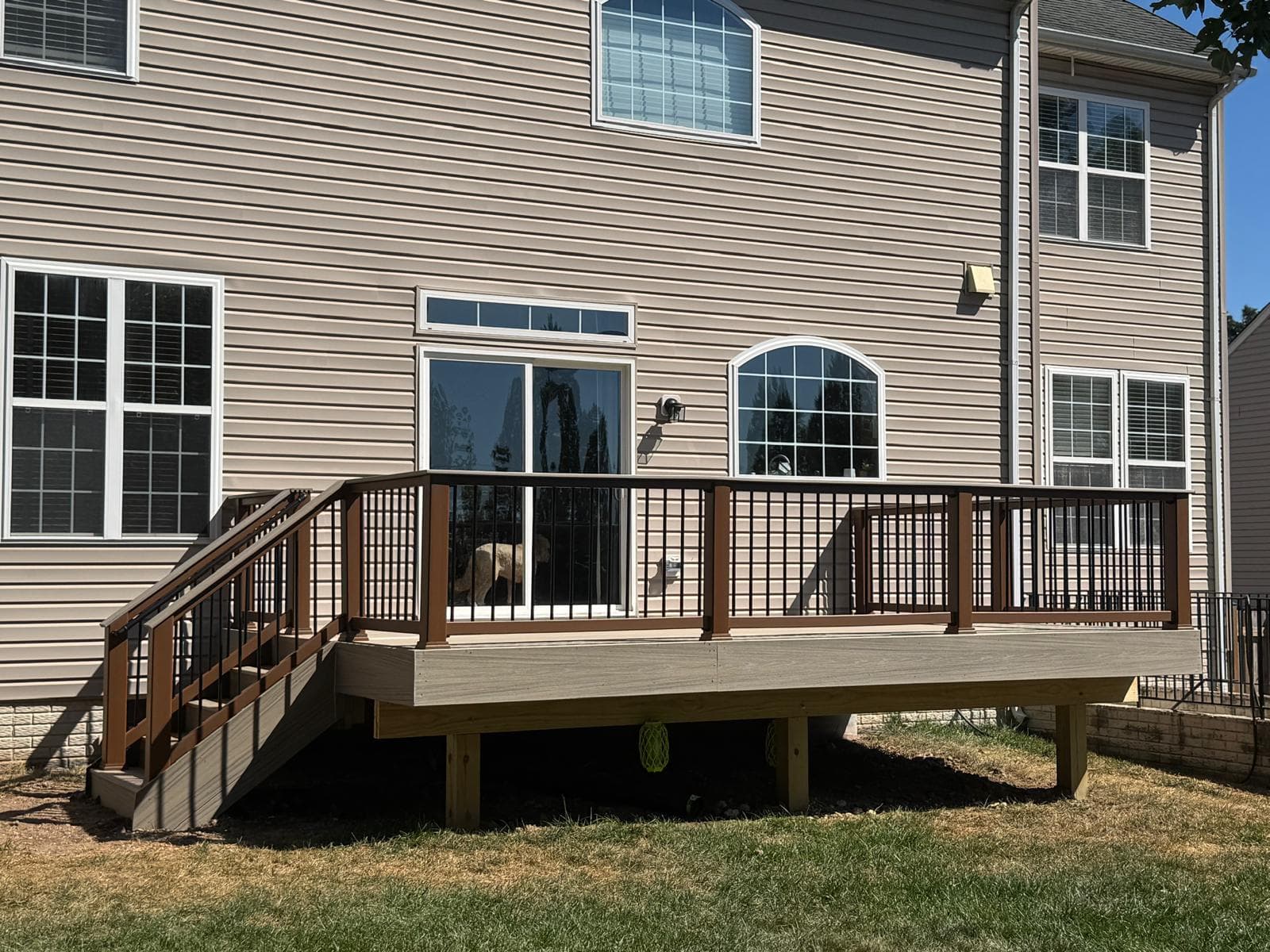
Custom Deck Builder
Transform your backyard with a custom-designed deck using Trex, TimberTech, wood, or PVC materials matched to your budget, HOA rules, and maintenance goals.
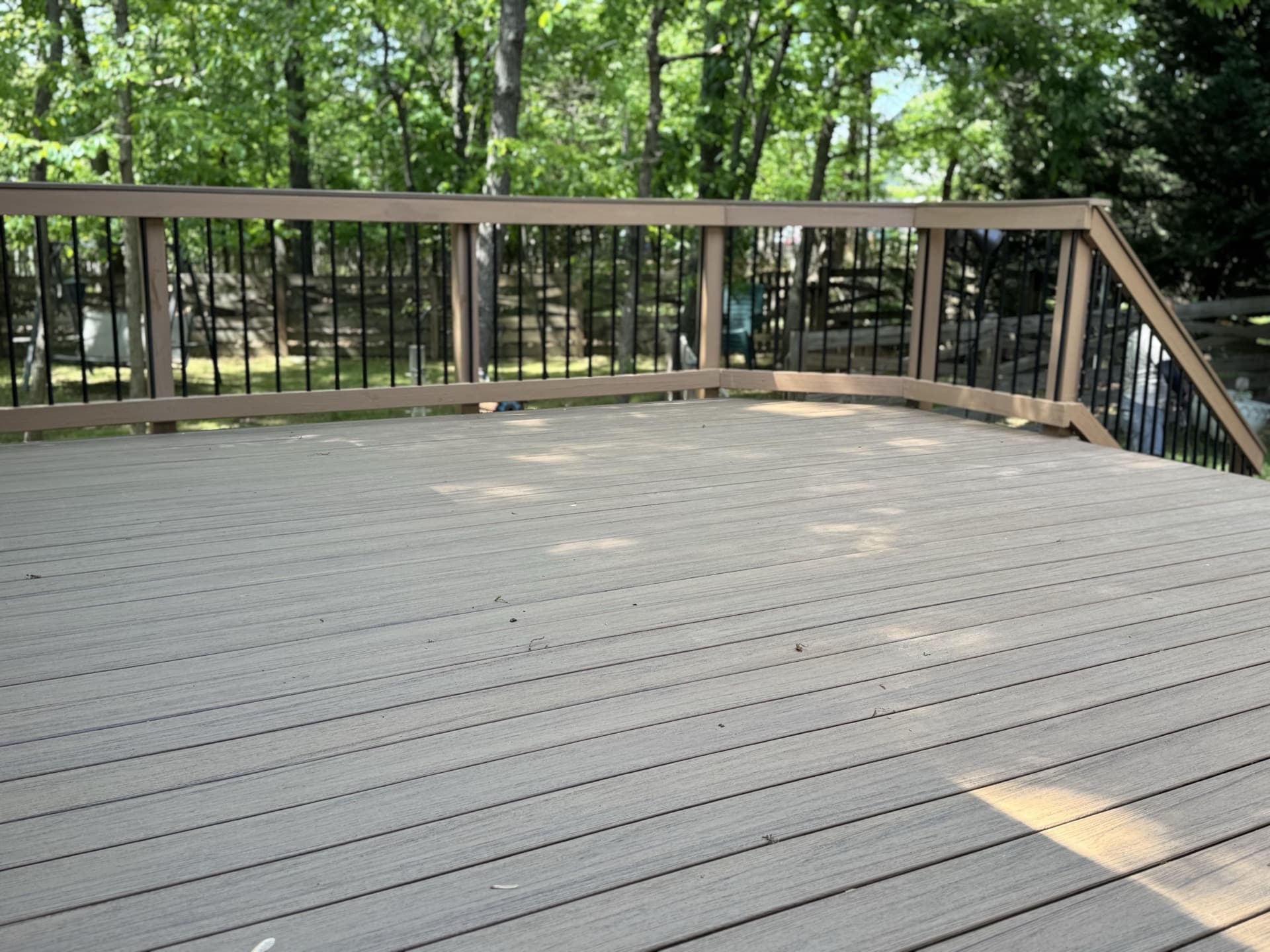
Deck Resurfacing
Premium wood-to-composite resurfacing for structurally sound frames. Full surface conversions start from $15k with boards, railings, fascia, and safety review.

Patio Contractor Services
Professional bluestone and paver patio installation. We create durable, beautiful ground-level outdoor living spaces that last a lifetime.
Local Expertise Across Northern Virginia
Loudoun Decks is a trusted deck builder serving Loudoun County, Fairfax County, Prince William County, Arlington, and Stafford.
Guides Northern Virginia Homeowners Are Reading
Covered Deck Builder
Covered deck planning, outdoor living upgrades and shade structure decisions.
Deck Resurfacing vs Replacement
How to decide between resurfacing, structural repair and full replacement.
Premium Composite Replacement
High-value composite replacement planning for Arlington, Alexandria and McLean homeowners.
Deck Footing Depth Calculator
Estimate footing depth, diameter, frost-depth guidance and inspection notes.
Deck Beam Span Calculator
Estimate beam span, post spacing, tributary width and framing warnings.
Deck Joist Span Calculator
Estimate joist span, spacing, cantilever and composite decking support warnings.