


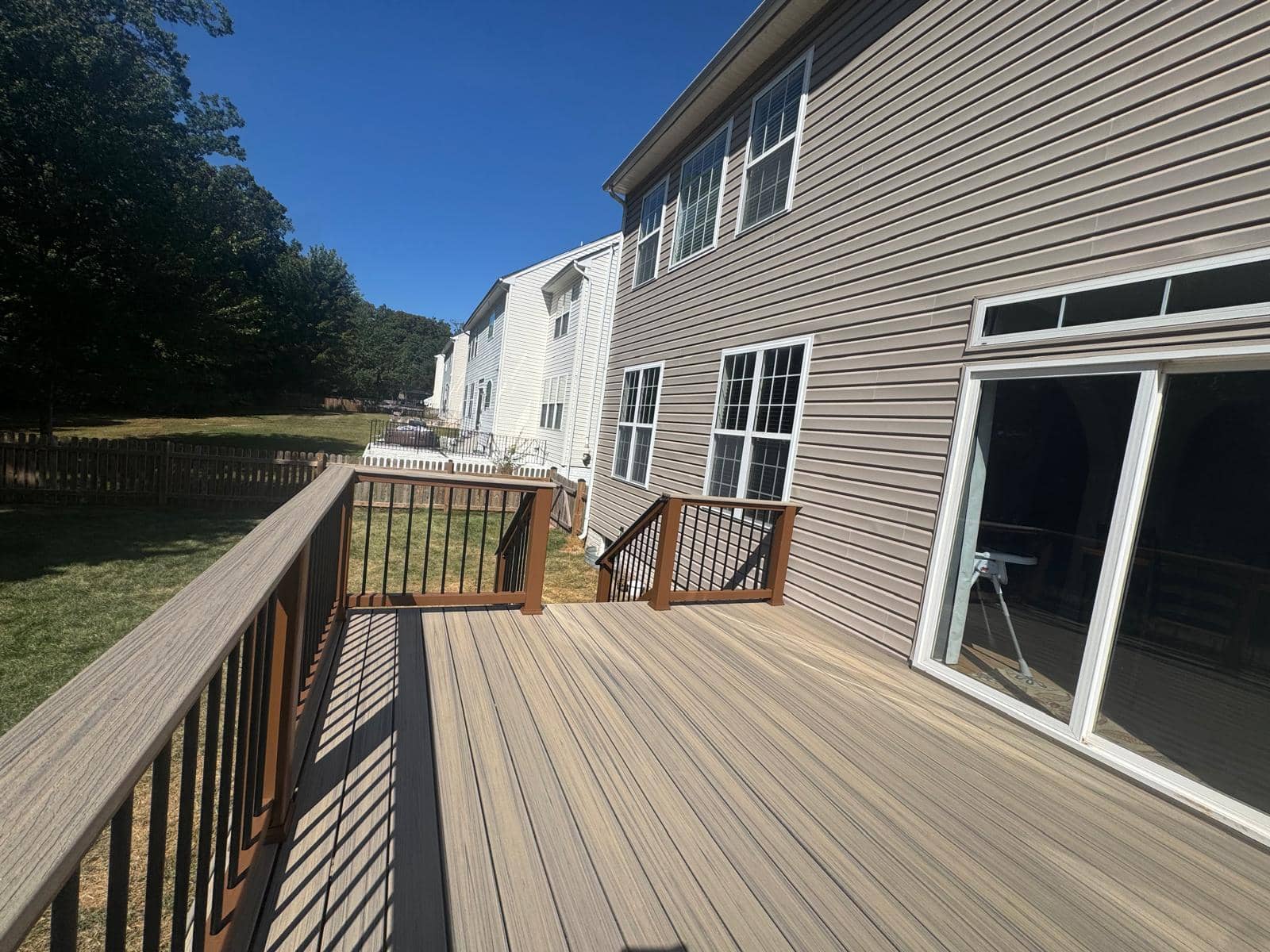
What Happens If You Build a Deck Without a Permit?
Skipping the permit feels like a shortcut. In Virginia it can mean stop-work orders, daily fines, a forced tear-down, a blocked home sale, and voided insurance coverage. Here is what an unpermitted deck really costs.
It is tempting. The permit process takes weeks, costs money, and feels like bureaucracy for its own sake. Plenty of homeowners in Northern Virginia — and plenty of low-bid contractors — decide to skip it and just build. The problem is that an unpermitted deck does not save money. It defers the cost, adds penalties, and attaches the bill to the worst possible moment: usually when you are trying to sell your home, or after someone has been hurt.
Here is what actually happens when a deck is built without a permit in Loudoun, Fairfax, or Prince William County.
Stop-Work Orders: The Immediate Consequence
If the county learns about an unpermitted deck while it is being built, the first action is a stop-work order. All construction halts immediately. You cannot legally lift another board until a permit is obtained — which now means submitting full engineered drawings for a structure that is already partially built, often with framing the inspector cannot fully see.
A stop-work order also puts your contractor in a difficult position. A reputable builder will not work on a red-tagged site, so the project stalls with materials exposed to the weather and a crew that has moved on to other jobs.
County Fines and Penalties
Virginia localities can assess penalties for work performed without a permit. That often includes an after-the-fact permit fee charged at a multiple of the normal rate, and in some cases daily fines that accrue until the violation is resolved. The exact amounts vary by county, but the principle is consistent everywhere: it is always more expensive to permit a deck after the fact than before.
You May Have to Open Up or Tear Down Finished Work
This is the consequence that hurts most. To legalize an existing unpermitted deck, the county has to verify it is structurally sound — and it cannot verify what it cannot see. That frequently means excavating footings to confirm depth and diameter, removing decking boards so the inspector can examine the ledger, joists, and hardware, and in the worst cases demolishing and rebuilding sections that do not meet code or cannot be inspected.
If the deck was built incorrectly — an under-buried footing, an improperly attached ledger, missing joist hangers — the county can require it to be torn down and rebuilt correctly. You pay twice and wait through the process you were trying to avoid.
Resale Problems and Disclosure
Unpermitted work follows the house. When you sell, the absence of a permit on file is discoverable — buyers’ agents, home inspectors, and appraisers all look. Virginia’s residential property disclosure framework expects sellers to disclose known issues, and a knowingly undisclosed unpermitted structure can expose you to liability after closing.
In practice, an unpermitted deck does one of three things to a sale: the buyer demands you legalize it before closing on your dime and their timeline, the buyer demands a price reduction to cover the risk, or the deal falls through. None of those outcomes is cheaper than having pulled the permit in the first place.
Insurance Liability After an Accident
This is the consequence nobody thinks about until it matters. A deck collapse or a railing failure that injures someone triggers a homeowners insurance claim. If the carrier determines the deck was built without a permit and outside of code, it can deny the liability portion of that claim — leaving you personally responsible for medical costs and damages.
Decks fail more often than people expect, and they fail at the worst times: full of guests at a party. An unpermitted, uninspected deck turns what should be a covered accident into an uncovered one.
How Counties Find Out
Homeowners often assume an unpermitted deck will simply go unnoticed. It frequently does not. Counties identify unpermitted structures through aerial and satellite imagery used for property assessment, which flags new structures that never had a permit; through neighbor complaints, a very common trigger in HOA communities; through the next permit you pull, when any other home project puts your property back in front of the county; and through the home sale itself, when an inspector or appraiser notes a structure with no permit history.
Legalizing an Existing Unpermitted Deck
If you already have an unpermitted deck, it can usually be legalized — it is just more involved than permitting from scratch. The process generally means producing as-built drawings, applying for an after-the-fact permit, and giving the inspector access to the structural elements, which may require removing boards or exposing footings. Where the existing construction meets code, it is documented and approved. Where it does not, it has to be corrected.
A builder who knows the local process can make this far less painful. Our deck repair team regularly brings older and unpermitted decks up to current code so they can pass inspection.
The True Cost: Permitting Is the Cheap Option
Add it up — after-the-fact fees, exposed footings, removed boards, possible rebuilds, a stalled home sale, and the insurance exposure — and the unpermitted shortcut is consistently the most expensive way to build a deck. Permitting is not the cost. Skipping it is.
The better path is simple: build it permitted the first time. For the thresholds that determine whether your project needs a permit at all, see our guide to deck permits in Virginia, and the county-specific details for Loudoun County and Fairfax County.
Loudoun Decks Builds It Permitted — Every Time
We do not build unpermitted decks, and we do not cut that corner for a lower bid. As a licensed Northern Virginia deck builder, Loudoun Decks pulls the permit, passes the inspections, and hands you a deck with a clean paper trail that protects your home’s value and your insurance coverage.
Inherited an unpermitted deck, or want to start a new project the right way? Call 571-655-7207 or visit ldndecks.com/get-estimate.
Frequently Asked Questions
Is it illegal to build a deck without a permit in Virginia?
Building a deck that meets the code’s permit triggers without obtaining one is a code violation. The county can issue a stop-work order, assess penalties, and require the work to be inspected or corrected.
What happens if I get caught building a deck without a permit?
Expect a stop-work order halting construction, an after-the-fact permit requirement at a higher fee, and possible fines. You may have to expose footings or remove boards so the structure can be inspected.
Can I sell my house with an unpermitted deck?
You can, but it usually creates problems. Buyers, inspectors, and appraisers discover the missing permit, and they typically demand you legalize it, ask for a price cut, or walk away. Virginia sellers are also expected to disclose known unpermitted work.
Will insurance cover an unpermitted deck?
If an unpermitted, out-of-code deck fails and injures someone, your homeowners carrier can deny the liability portion of the claim, leaving you personally responsible for the costs.
How do counties find unpermitted decks?
Through aerial imagery used for assessments, neighbor complaints, the next permit you apply for, and home-sale inspections. Unpermitted decks surface more often than homeowners expect.
Can an existing unpermitted deck be legalized?
Usually yes. It requires as-built drawings, an after-the-fact permit, and giving the inspector access to structural elements. Compliant work is documented; non-compliant work must be corrected.
This article is general guidance, not legal advice. Enforcement actions, fines, and the process to legalize unpermitted work vary by county and by HOA. Always confirm current requirements with your local building department before starting or correcting work.
Plan Your Northern Virginia Deck Project With Loudoun Decks
Get a free, no-pressure consultation from a licensed Northern Virginia deck builder. Call (571) 655-7207 or visit ldndecks.com/get-estimate.
Get a Free EstimateEverything Your Outdoor
Space Needs
From ground-up deck construction to full outdoor living spaces, every project is custom-designed for your home with permit planning, material guidance, and written workmanship terms.
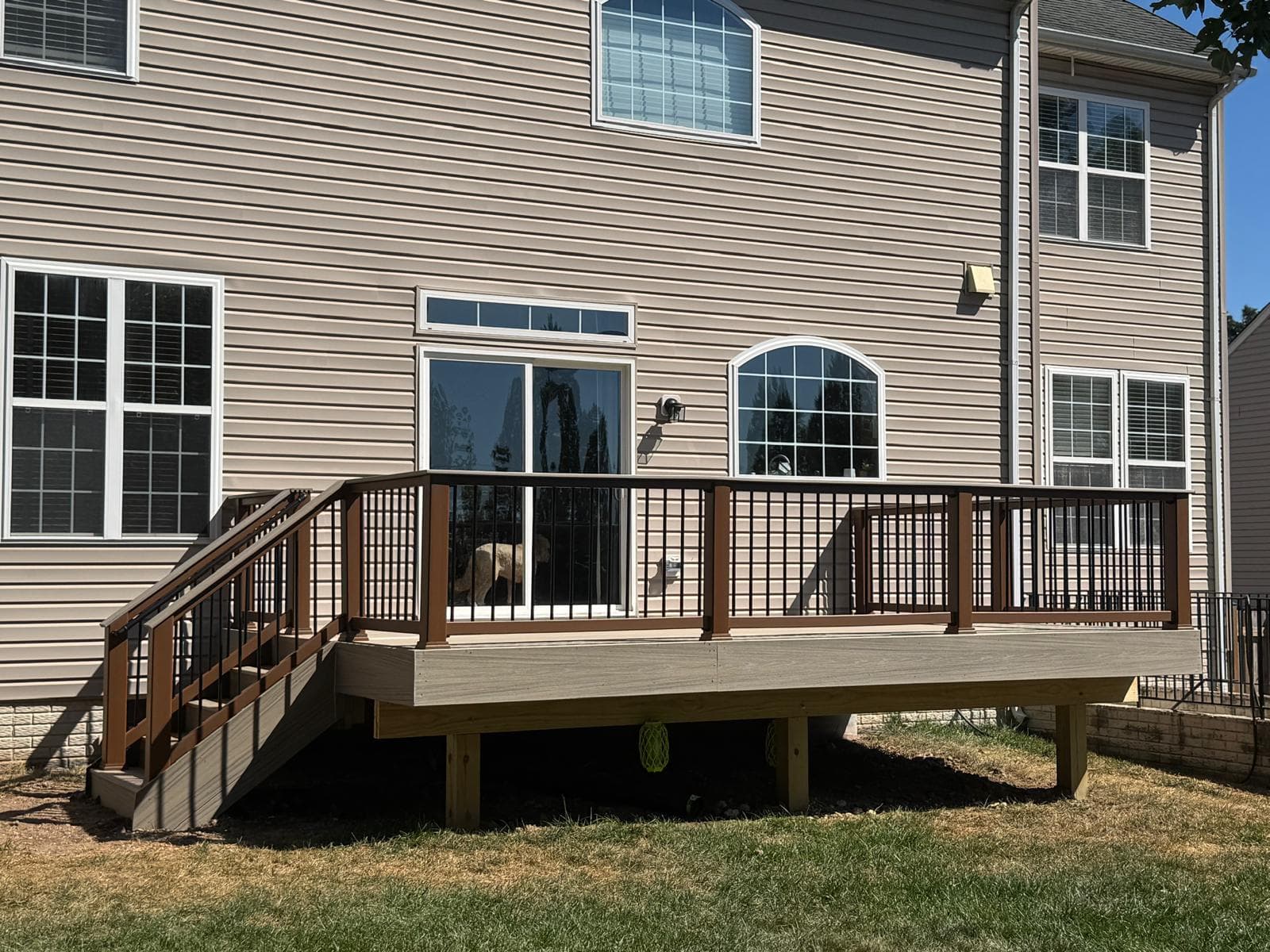
Custom Deck Builder
Transform your backyard with a custom-designed deck using Trex, TimberTech, wood, or PVC materials matched to your budget, HOA rules, and maintenance goals.
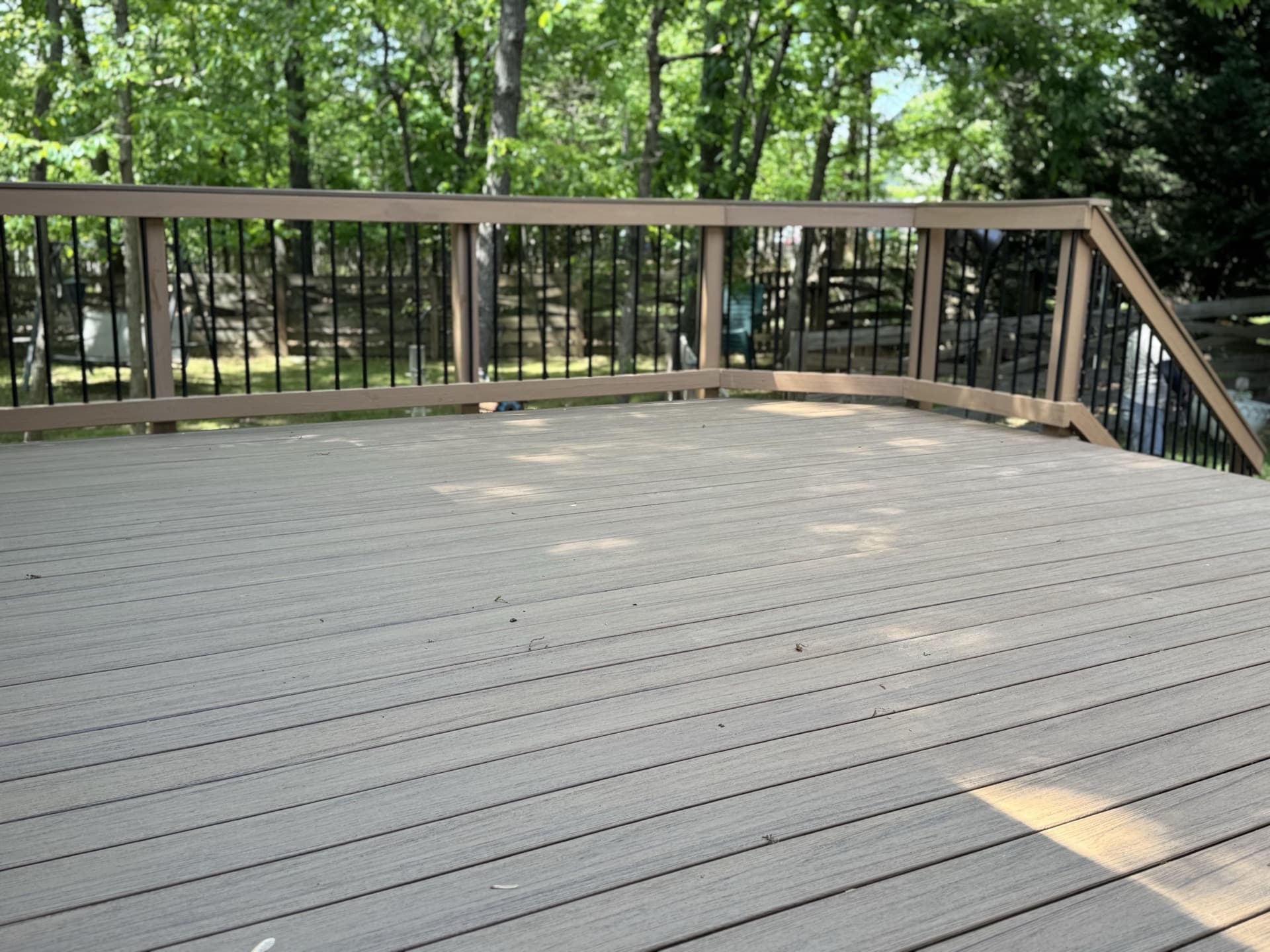
Deck Resurfacing
Premium wood-to-composite resurfacing for structurally sound frames. Full surface conversions start from $15k with boards, railings, fascia, and safety review.

Patio Contractor Services
Professional bluestone and paver patio installation. We create durable, beautiful ground-level outdoor living spaces that last a lifetime.
Local Expertise Across Northern Virginia
Loudoun Decks is a trusted deck builder serving Loudoun County, Fairfax County, Prince William County, Arlington, and Stafford.
Guides Northern Virginia Homeowners Are Reading
Deck Permits in Loudoun County
Permit requirements, review steps and inspection context for Loudoun homeowners.
Deck Permits in Fairfax County
Requirements, timeline, fees, and inspection process.
Deck Builder in Northern Virginia
Custom decks, permits, HOA support and local service areas.
Covered Deck Builder
Covered deck planning, outdoor living upgrades and shade structure decisions.
Trex vs TimberTech vs AZEK
Side-by-side brand comparison for Virginia climate.
Composite Deck Cost in Northern Virginia
Material pricing, verified source references, planning examples and what drives the price.